
Европа стала эпицентром визовой революции для цифровых кочевников. По состоянию на 2026 год более пятнадцати европейских стран предлагают специальные визовые программы для удалённых работников, фрилансеров и мобильных профессионалов. Каждая программа имеет свои требования, пороги дохода, налоговые условия и преимущества для образа жизни. Этот подробный гид разбирает все доступные европейские визы для цифровых кочевников, помогая выбрать идеальное направление для вашей удалённой работы.
Почему Европа лидирует в движении виз для цифровых кочевников
Рост удалённой работы во время и после мировой пандемии фундаментально изменил отношение правительств к мобильным профессионалам. Европейские страны одними из первых осознали экономический потенциал привлечения высокооплачиваемых удалённых работников, которые тратят деньги на месте, но зарабатывают за рубежом. Результатом стала волна специальных визовых программ, разработанных именно для цифровых кочевников.
В отличие от традиционных рабочих виз, визы цифровых кочевников позволяют жить в стране, работая на иностранного работодателя или управляя бизнесом, зарегистрированным за рубежом. Это принципиальное различие: вы не конкурируете с местными работниками за рабочие места. Вместо этого вы привносите иностранный доход в местную экономику через аренду жилья, питание, транспорт и досуг.
Выгоды не ограничиваются экономикой. Страны с визовыми программами для цифровых кочевников наблюдают рост своих технологических экосистем, усиление культурного обмена и развитие динамичных коворкинг-сообществ. Города вроде Лиссабона, Барселоны, Таллина и Сплита превратились в глобальные хабы для удалённых профессионалов, привлекая таланты со всего мира.
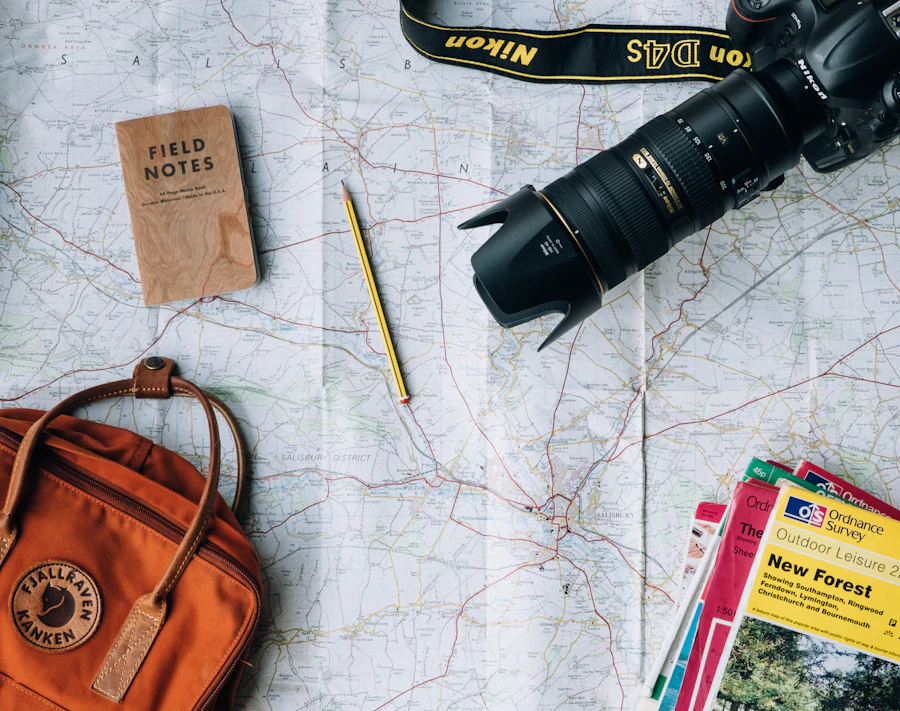
Полный обзор по странам
Ниже представлен подробный обзор каждой европейской страны, предлагающей визу цифрового кочевника или аналогичное разрешение на удалённую работу в 2026 году. Требования и стоимость могут меняться, поэтому всегда уточняйте информацию в соответствующем посольстве или консульстве перед подачей заявки.
| Страна | Срок визы | Мин. ежемесячный доход | Консульский сбор | Налог на иностранный доход |
|---|---|---|---|---|
| Португалия | 1 год (с продлением) | 3 510 EUR | 83 EUR | Режим NHR: фиксированная ставка 20% |
| Испания | 1 год (продление до 5 лет) | 3 256 EUR | 80 EUR | Закон Бекхэма: фиксированная ставка 24% |
| Хорватия | 1 год (без продления) | 2 539 EUR | 55 EUR | Освобождение от подоходного налога |
| Эстония | 1 год | 4 500 EUR | 100 EUR | Без местного налога при <183 днях |
| Греция | 1 год (с продлением) | 3 500 EUR | 75 EUR | Снижение налога на 50% на 7 лет |
| Мальта | 1 год (с продлением) | 2 700 EUR | 300 EUR | Без налога на иностранный доход |
| Чехия | 1 год (с продлением) | 5 382 EUR (виза Живно) | 100 EUR | Фиксированная ставка 15% (торговая лицензия) |
| Германия | 6 месяцев – 3 года | Достаточные средства (без фикс. минимума) | 100 EUR | Прогрессивные ставки |
| Италия | 1 год (с продлением) | 2 835 EUR | 116 EUR | Фиксированная ставка 7% (специальный режим) |
| Кипр | 1 год (продление до 3 лет) | 3 500 EUR | 70 EUR | Без налога по визе кочевника |
| Румыния | 1 год (с продлением) | 3 700 EUR | 50 EUR | Фиксированная ставка 10% при резидентстве |
| Венгрия | 1 год (однократное продление) | 2 000 EUR | 110 EUR | Без налога на иностранный доход |
| Латвия | 1 год | 2 857 EUR | 60 EUR | Без налога по разрешению кочевника |
| Норвегия | 2 года | 35 719 NOK (~3 100 EUR) | 6 300 NOK (~550 EUR) | Налог при >183 днях |
| Исландия | 6 месяцев (однократное продление) | 1 000 000 ISK (~6 460 EUR) | 12 500 ISK (~80 EUR) | Налог при >183 днях |
Подробные профили стран
Португалия: классический фаворит цифровых кочевников
Португалия остаётся одним из самых популярных направлений для цифровых кочевников в Европе, и на то есть веские причины. Страна запустила визу D8 для цифровых кочевников в конце 2022 года и с тех пор постоянно совершенствовала программу. По состоянию на 2026 год Португалия требует от заявителей подтверждения минимального ежемесячного дохода в 3 510 EUR — четырёхкратный размер португальской минимальной зарплаты. Консульский сбор составляет 83 EUR, что делает её одной из самых доступных визовых заявок в Европе.
Что выделяет Португалию — её налоговый режим NHR (резидент без привычного налогового резидентства), предлагающий подходящим кандидатам фиксированную ставку подоходного налога в 20% на доход из португальских источников на срок до десяти лет. Для цифровых кочевников, полностью зарабатывающих за рубежом, налоговый режим может быть ещё более выгодным в зависимости от применимых соглашений об избежании двойного налогообложения. Португалия также предлагает превосходную инфраструктуру для удалённых работников: высокоскоростное оптоволокно широко доступно в Лиссабоне, Порту и регионе Алгарве. Коворкинг-сцена процветает — в одном только Лиссабоне десятки пространств, а стоимость жизни остаётся значительно ниже, чем в западноевропейских столицах.
Процесс подачи включает сбор подтверждений дохода, документации медицинской страховки, справки о несудимости и подтверждения проживания. Сроки рассмотрения обычно составляют от двух до четырёх месяцев, хотя заявители могут запросить временное разрешение на проживание на период обработки визы.
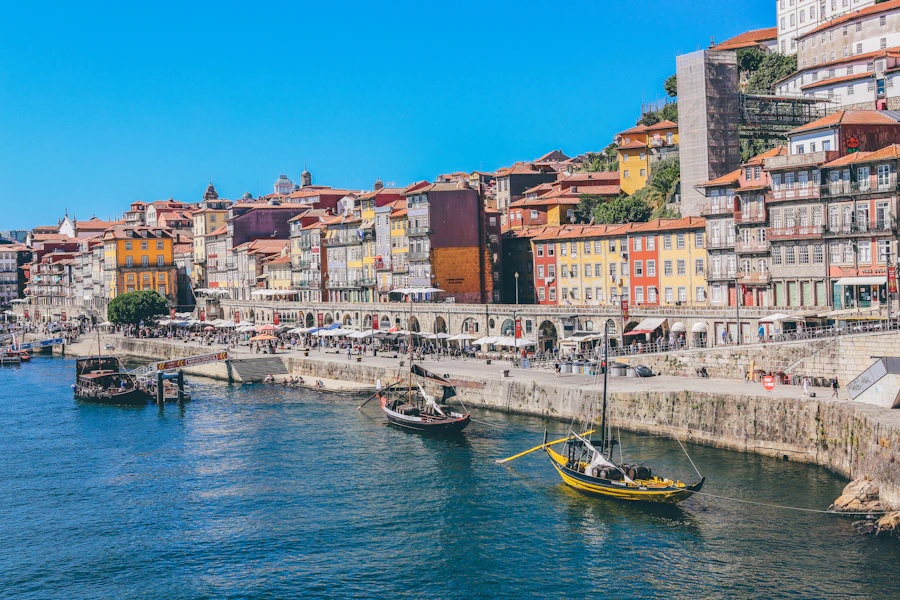
Испания: преимущество закона Бекхэма
Испания ввела визу цифрового кочевника в январе 2023 года в рамках Закона о стартапах, и она быстро стала одним из самых привлекательных вариантов в Европе. Виза требует минимального ежемесячного дохода в 3 256 EUR и позволяет пребывание до одного года с возможностью продления до пяти лет. Особую привлекательность Испании придаёт закон Бекхэма, изначально разработанный для привлечения иностранных спортсменов, который распространён на держателей визы цифрового кочевника. По этому закону подходящие кандидаты платят фиксированную ставку подоходного налога в 24% на доход из испанских источников до 600 000 EUR вместо прогрессивных ставок, достигающих 47%.
Испания предлагает исключительное качество жизни для удалённых работников. Барселона и Валенсия стабильно входят в число лучших городов мира для цифровых кочевников благодаря прекрасной погоде, кухне мирового уровня, надёжной инфраструктуре и динамичным международным сообществам. Стоимость жизни существенно различается между городами: Мадрид и Барселона — самые дорогие, а города поменьше — Валенсия, Малага и Лас-Пальмас — предлагают значительно более доступные варианты.
Для подачи заявки требуются подтверждение удалённой работы или фриланса, медицинская страховка, справка о несудимости и доказательство достаточного дохода. Испания также требует, чтобы не менее 80% вашего дохода поступало от неиспанских клиентов, обеспечивая целевую направленность программы на удалённых работников с иностранным заработком.
Хорватия: без налогов на Адриатике
Хорватия ввела визу цифрового кочевника в январе 2021 года, и её программа остаётся одной из самых простых в Европе. Виза действительна один год и не продлевается — для повторного пребывания необходимо покинуть страну и подать заявку заново. Минимальный ежемесячный доход — 2 539 EUR, а консульский сбор составляет всего 55 EUR. Пожалуй, главное преимущество — полное освобождение держателей визы от хорватского подоходного налога при условии, что они не работают на хорватские компании или клиентов.
Хорватия предлагает исключительный образ жизни для цифровых кочевников. Адриатическое побережье потрясающе: города вроде Сплита, Дубровника и Задара предлагают средиземноморское очарование за малую долю стоимости Италии или Франции. Загреб, столица, обладает растущей технологической сценой с многочисленными коворкингами. Скорости интернета в городских зонах, как правило, надёжны, хотя покрытие в сельской местности может быть непостоянным. Подробнее о процессе подачи и образе жизни — в нашем полном гиде по визе цифрового кочевника в Хорватию.
Эстония: пионер электронного резидентства
Эстония давно находится в авангарде цифрового управления, и её виза для цифровых кочевников отражает этот передовой подход. Страна запустила программу DNV в августе 2020 года и имеет один из самых высоких порогов дохода в Европе — 4 500 EUR в месяц. Это отражает ориентацию Эстонии на привлечение высокооплачиваемых профессионалов, которые внесут значительный вклад в местную экономику.
Эстонская программа электронного резидентства (e-Residency), хотя и отдельная от визы цифрового кочевника, добавляет уникальное измерение привлекательности страны. Электронное резидентство позволяет любому человеку в мире зарегистрировать и управлять бизнесом в ЕС полностью онлайн, что делает его идеальным дополнением к визе кочевника для предпринимателей и фрилансеров, желающих иметь европейское бизнес-присутствие. Таллин, столица, — компактный, пешеходный город с превосходной интернет-инфраструктурой, процветающей стартап-сценой и растущим коворкинг-сообществом. Конкретные рекомендации — в нашем гиде по лучшим коворкингам Таллина.
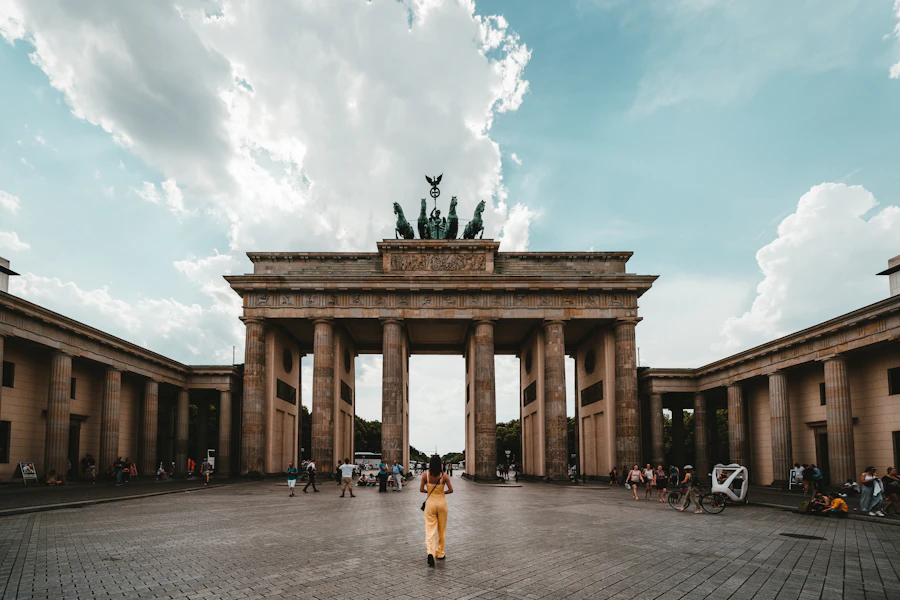
Греция: средиземноморский новичок
Греция запустила визу цифрового кочевника в 2021 году и с тех пор усовершенствовала программу, сделав её одной из самых конкурентоспособных в Средиземноморье. С минимальным ежемесячным доходом в 3 500 EUR и консульским сбором всего 75 EUR Греция открывает доступ к невероятному образу жизни при относительно скромных административных расходах. Главная особенность — снижение подоходного налога на 50% в течение первых семи лет резидентства, что делает Грецию одним из самых налогово эффективных вариантов для кочевников, планирующих обосноваться в Европе надолго.
Афины, Салоники и греческие острова предлагают совершенно разный опыт для удалённых работников. Афины значительно расширили сеть коворкингов и технологических мероприятий, а Салоники предлагают более доступную, студенческую атмосферу. Острова — особенно Крит, Корфу и Родос — идеальны для кочевников, желающих совмещать работу с курортным образом жизни, хотя интернет-соединение в отдалённых островных локациях может быть менее стабильным.
Мальта: островная жизнь для удалённых работников
Мальтийское разрешение на проживание для кочевников (Nomad Residence Permit), запущенное в 2021 году, требует минимального ежемесячного дохода 2 700 EUR и предусматривает консульский сбор в 300 EUR — один из самых высоких. Однако программа освобождает держателей от мальтийского подоходного налога на иностранный доход, что может означать значительную экономию для высокооплачиваемых специалистов. Виза действует один год с возможностью продления.
Преимущества Мальты — англоговорящее население, стратегическое расположение в центре Средиземноморья и тёплый климат круглый год. Основные недостатки — относительно небольшой размер острова, более высокая стоимость жизни по сравнению с восточноевропейскими вариантами и временами медленные бюрократические процессы. Тем не менее Мальта активно инвестировала в интернет-инфраструктуру, и оптоволокно широко доступно на главном острове.
Чехия: путь через визу Живно
В Чехии нет специальной визы для цифровых кочевников как таковой, но её Живностенский лист (торговая лицензия), или виза Живно, давно используется кочевниками и фрилансерами для легального проживания. Требование по доходу выше большинства — 5 382 EUR в месяц, а подача включает получение торговой лицензии до оформления долгосрочной визы. После одобрения вы можете легально работать как самозанятый в Чехии.
Прага — одна из самых доступных и пригодных для жизни столиц Европы для удалённых работников. Коворкинг-сцена зрелая: пространства вроде Locus Workspace и Impact Hub предлагают отличные условия. Город располагает великолепным общественным транспортом, богатой культурной жизнью и центральным расположением, упрощающим путешествия по другим европейским городам на выходных. Фиксированная налоговая ставка 15% по торговой лицензии конкурентоспособна, хотя навигация по чешской бюрократии может потребовать терпения и, в идеале, помощи местного иммиграционного консультанта.
Германия: фрилансерская виза
Германия не предлагает специальной визы для цифровых кочевников, но её фрилансерская виза (Freiberufler) широко используется удалёнными работниками и самозанятыми профессионалами. Срок действия визы — от шести месяцев до трёх лет, а фиксированного минимального дохода нет, хотя заявители должны продемонстрировать достаточные финансовые средства для самообеспечения. Консульский сбор составляет около 100 EUR.
Привлекательность Германии — в мощной экономике, инфраструктуре мирового уровня и центральноевропейском расположении. Берлин, в частности, более десяти лет притягивает цифровых кочевников и представителей творческих профессий, предлагая доступное жильё по западноевропейским стандартам, не имеющую аналогов культурную сцену и одно из самых активных коворкинг-сообществ Европы. Однако немецкие налоговые ставки прогрессивные и могут быть высокими — до 45% для высокооплачиваемых специалистов. Работа с налоговой системой требует тщательного планирования, и многие кочевники обращаются к налоговым консультантам, специализирующимся на международном фрилансе. Подробнее о налоговом планировании — в нашем налоговом гиде для цифровых кочевников в Европе.

Италия: новая виза для цифровых кочевников
Италия ввела визу цифрового кочевника в начале 2024 года, и программа была доработана к 2026 году с более чёткими правилами и ускоренным рассмотрением. Минимальный ежемесячный доход — 2 835 EUR, а консульский сбор — 116 EUR. Италия также предлагает специальный налоговый режим для новых резидентов: фиксированная ставка 7% на иностранный доход для тех, кто устанавливает налоговое резидентство в определённых южных регионах Италии, или более широкий режим с пониженными ставками по всей стране.
Привлекательность Италии для цифровых кочевников выходит далеко за рамки бумажной работы. Страна предлагает не имеющее равных качество жизни благодаря кулинарным традициям, архитектурному наследию и разнообразным ландшафтам. Города вроде Милана, Флоренции и Рима располагают развитой коворкинг-инфраструктурой, а небольшие городки в Апулии, Сицилии и Сардинии всё активнее привлекают удалённых работников, ищущих более размеренный ритм жизни при значительно меньших расходах.
Кипр, Румыния, Венгрия, Латвия, Норвегия и Исландия
Оставшиеся страны нашего списка предлагают каждая свои уникальные преимущества. Кипр обеспечивает тёплый климат и отсутствие налога на иностранный доход по визе кочевника с минимальным доходом 3 500 EUR. Румыния привлекает низкой стоимостью жизни и фиксированной ставкой подоходного налога 10%, требуя 3 700 EUR в месяц. Венгрия предлагает один из самых низких порогов дохода — 2 000 EUR — и освобождает держателей визы от местного налога на иностранный доход, хотя программа относительно новая и ещё развивается.
Латвия завершает перечень вариантов в ЕС с понятной программой, требующей 2 857 EUR в месяц, и без местного налога по разрешению кочевника. За пределами ЕС Норвегия и Исландия предлагают визы для тех, кто готов к более высоким финансовым порогам. Норвегия требует около 3 100 EUR в месяц и предлагает двухлетнюю визу, а Исландия — внушительный минимум в 6 460 EUR ежемесячно, но вознаграждает заявителей доступом к одному из самых впечатляющих природных ландшафтов на Земле.
Как выбрать подходящую визу цифрового кочевника
Выбор правильной визы зависит от ваших индивидуальных приоритетов, уровня дохода и долгосрочных планов. Вот ключевые факторы, которые стоит учитывать при принятии решения.
Бюджет и стоимость жизни
Если бюджет — ваша главная забота, Хорватия, Венгрия и Румыния предлагают самое низкое сочетание порогов дохода и стоимости жизни. В Загребе, Будапеште или Бухаресте можно комфортно жить на значительно меньший бюджет, чем в Лиссабоне, Барселоне или Таллине. Однако более доступные направления могут иметь менее развитую коворкинг-инфраструктуру и меньшие международные сообщества.
Налоговая эффективность
Для налоговой оптимизации выделяются Хорватия, Мальта, Венгрия, Латвия и Кипр — они предлагают либо полное освобождение от налогов, либо очень выгодные ставки на иностранный доход. Закон Бекхэма в Испании и 50-процентное снижение налога в Греции также являются мощными инструментами для снижения налоговой нагрузки, особенно для высокооплачиваемых специалистов. Всегда консультируйтесь с квалифицированным налоговым специалистом, прежде чем принимать решения на основе налогового режима, поскольку налоговые обязательства вашей страны могут по-прежнему действовать. Подробнее — в нашем подробном налоговом гиде.
Качество жизни и сообщество
Если образ жизни и сообщество важнее всего, лидируют Португалия, Испания и Эстония. Лиссабон, Барселона и Таллин обладают крупными, хорошо устоявшимися сообществами цифровых кочевников с регулярными встречами, коворкинг-мероприятиями и социальными мероприятиями. Эти города также предлагают отличную гастрономическую сцену, надёжный транспорт и разнообразные развлечения. Ознакомьтесь с нашим рейтингом лучших городов Европы для цифровых кочевников для детального сравнения.
Путь к постоянному проживанию
Если вы рассматриваете долгосрочный переезд в Европу, некоторые визы кочевников могут служить ступенью к постоянному проживанию или гражданству. Португалия, Испания и Греция предлагают пути от временного к постоянному проживанию через пять лет и далее к гражданству. Понимание этих путей заранее может повлиять на выбор направления и помочь в планировании будущего. Подробную информацию о путях к резидентству смотрите в нашем разделе визовых гидов.

Советы для успешной подачи
Независимо от выбранной страны, процесс подачи на визу цифрового кочевника следует примерно одному и тому же алгоритму. Вот практические советы для гладкого и успешного оформления.
- Подготовьте документы о доходах заранее. Большинство стран требуют банковские выписки за три-шесть месяцев или трудовые договоры, подтверждающие стабильный доход выше минимального порога. Начните собирать эти документы задолго до планируемой подачи.
- Оформите комплексную медицинскую страховку. Каждая визовая программа требует подтверждения медицинской страховки, действующей в стране назначения. Убедитесь, что ваш полис покрывает весь запланированный срок пребывания и соответствует минимальным требованиям программы.
- Получите апостилированную справку о несудимости. Большинство стран требуют справку о несудимости из страны гражданства и иногда из страны проживания. Процесс апостилирования может занять несколько недель — планируйте заранее.
- Организуйте жильё до подачи. Некоторые страны требуют подтверждение проживания на момент подачи — договор аренды, бронирование отеля или письмо-приглашение от резидента. Даже когда это формально не обязательно, наличие организованного жилья демонстрирует подготовленность и серьёзность намерений.
- Рассмотрите помощь местного иммиграционного консультанта. Бюрократические процессы в некоторых странах могут быть сложными, и помощь местного эксперта может сэкономить значительное время и нервы. Это особенно рекомендуется для Германии, Чехии и Италии.
- Подавайте заявку заблаговременно. Сроки рассмотрения сильно варьируются — от двух недель в Эстонии до четырёх месяцев в Португалии. Подавайте заранее, чтобы избежать разрывов в ваших планах путешествий, и по возможности запрашивайте временное разрешение, если страна его предлагает.
Чего ожидать в 2026 году и далее
Ландшафт европейских виз для цифровых кочевников продолжает стремительно развиваться. Несколько тенденций формируют будущее этих программ. Ожидается, что ещё больше стран введут специальные визы для кочевников — Франция, Бельгия и Нидерланды, по имеющимся данным, изучают такие программы. Существующие программы совершенствуются на основе обратной связи от первых участников: многие страны упрощают процессы подачи и сокращают сроки рассмотрения.
Налоговая гармонизация в ЕС также может повлиять на визовые программы для кочевников в будущем. По мере работы Еврокомиссии над большей согласованностью налоговой политики некоторые из нынешних щедрых налоговых льгот могут быть скорректированы. Однако конкуренция между странами за привлечение талантливых удалённых работников указывает на то, что выгодный налоговый режим останется ключевой чертой этих программ ещё на годы вперёд.
Растущая популярность виз для кочевников также означает, что некоторые направления становятся более многолюдными и дорогими. Направления первой волны, такие как Лиссабон, наблюдают значительный рост арендных ставок, отчасти обусловленный притоком удалённых работников. Новые направления — Тбилиси, Бухарест и София — могут предложить лучшее соотношение цены и качества в ближайшие годы по мере развития их экосистем для кочевников.
Подробнее о выборе подходящего типа визы для вашей ситуации, включая сравнение с фрилансерскими и туристическими визами, — в нашем подробном гиде по сравнению типов виз для цифровых кочевников.
Заключение
Выбор визы цифрового кочевника в Европе — это гораздо больше, чем оформление документов и пороги дохода. Это выбор места, где вы сможете построить полноценную жизнь, сохраняя свободу и гибкость, которые привлекли вас к удалённой работе. Будь то солнечные побережья Португалии и Хорватии, культурное богатство Испании и Италии, цифровые инновации Эстонии или доступность Венгрии и Румынии — в Европе найдётся визовая программа, соответствующая вашим потребностям.
Уделите время тщательному изучению вариантов, проконсультируйтесь с налоговыми и иммиграционными специалистами и свяжитесь с другими цифровыми кочевниками, которые уже прошли через этот процесс. Сообщества в каждой из этих стран приветливы и охотно делятся опытом. При правильной подготовке и правильной визе Европа может стать не просто направлением, а домом для вашей удалённой карьеры.