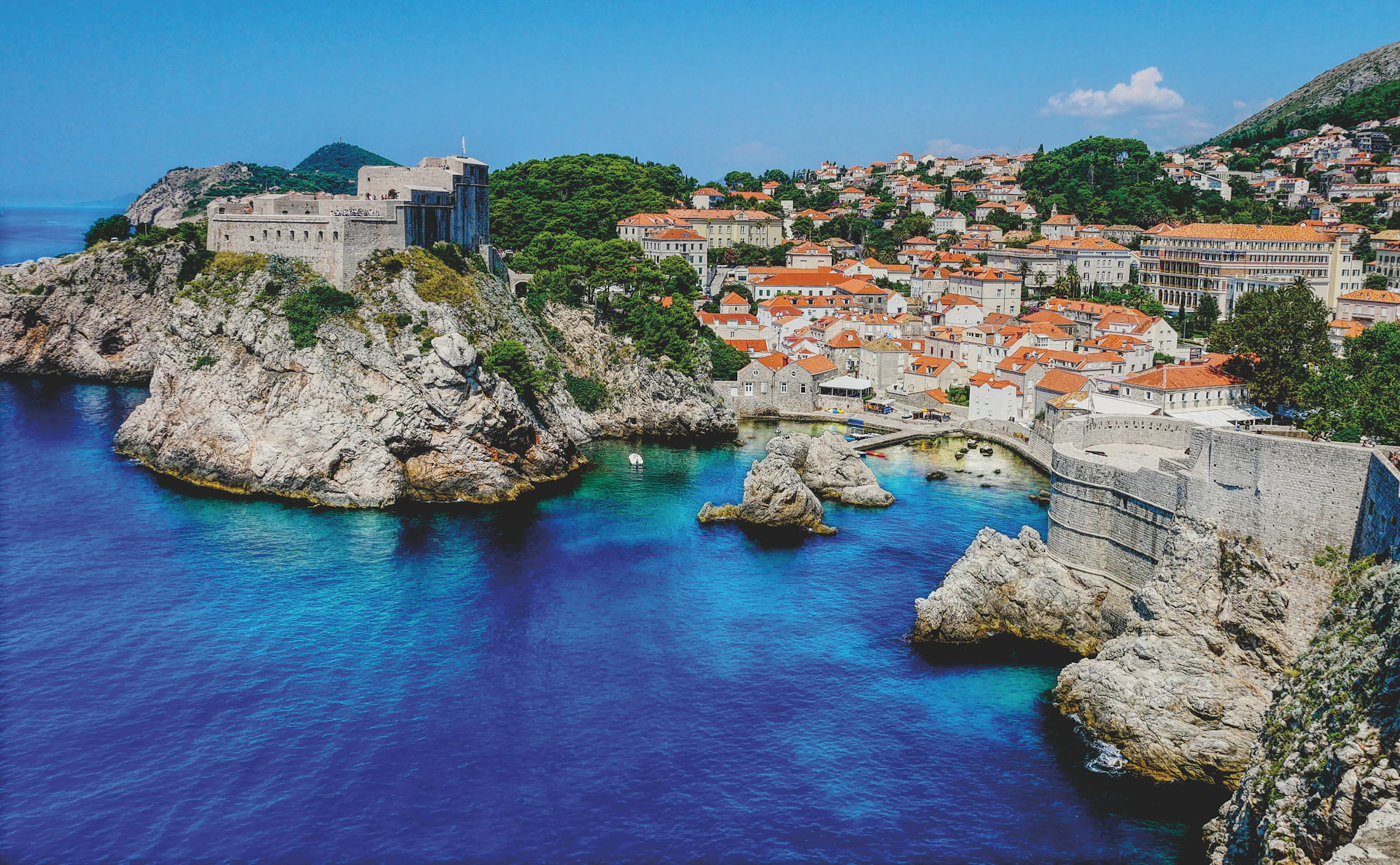
Хорватия стала одной из первых европейских стран, запустивших специальную визу для цифровых кочевников, — программа начала работу в январе 2021 года. Адриатическая страна быстро стала фаворитом среди удалённых работников благодаря потрясающему побережью, освобождению от налогов для держателей визы, доступной стоимости жизни и расслабленному средиземноморскому образу жизни. Это руководство охватывает всё, что нужно знать для оформления хорватской визы цифрового кочевника в 2026 году: от требований к кандидатам и необходимых документов до налоговых правил, лучших городов для удалённой работы и практических советов по повседневной жизни.
Обзор визы цифрового кочевника в Хорватию
Виза цифрового кочевника в Хорватию, официально именуемая разрешением на временное пребывание для цифровых кочевников, позволяет гражданам стран, не входящих в ЕС, проживать в Хорватии до одного года, работая удалённо на иностранного работодателя или собственную компанию, зарегистрированную за рубежом. Виза не продлевается: после истечения года вам необходимо покинуть Хорватию и подождать шесть месяцев перед повторной подачей. Несмотря на это ограничение, программа привлекла тысячи заявителей благодаря простым требованиям и щедрому налоговому режиму.
После вступления Хорватии в Европейский союз в 2013 году и в Шенгенскую зону в январе 2023 года наличие хорватской визы цифрового кочевника также даёт доступ к более широкой Шенгенской зоне для туристических поездок, хотя право на проживание остаётся привязанным к Хорватии. Это означает, что вы можете совершать поездки на выходные в соседние страны — Словению, Италию, Венгрию — без пограничного контроля, но ваше основное место жительства должно оставаться в Хорватии.
| Параметр | Подробности |
|---|---|
| Тип визы | Разрешение на временное пребывание для цифровых кочевников |
| Срок действия | До 1 года |
| Продление | Нет (перерыв 6 месяцев перед повторной подачей) |
| Мин. ежемесячный доход | 2 539 EUR |
| Консульский сбор | 55 EUR |
| Налог на иностранный доход | Освобождение от хорватского подоходного налога |
| Работа на хорватских клиентов | Нет |
| Члены семьи | Могут подать отдельно с теми же требованиями |
| Путь к ПМЖ | Нет (требуется отдельная процедура) |
Требования к кандидатам
Для получения визы цифрового кочевника в Хорватию необходимо соответствовать следующим критериям.
- Гражданство страны, не входящей в ЕС/ЕЭЗ. Виза предназначена для граждан стран за пределами Европейского союза и Европейской экономической зоны. Граждане ЕС/ЕЭЗ уже могут свободно жить и работать в Хорватии по праву свободного перемещения в ЕС.
- Удалённая работа по найму или фриланс. Вы должны быть трудоустроены в компании, зарегистрированной за пределами Хорватии, или управлять собственным бизнесом, зарегистрированным за рубежом. Оказывать услуги хорватским компаниям или клиентам запрещено.
- Минимальный ежемесячный доход 2 539 EUR. Этот порог установлен на уровне примерно трёхкратной средней чистой зарплаты в Хорватии и должен подтверждаться банковскими выписками, трудовыми договорами или налоговыми декларациями.
- Действующая медицинская страховка. Необходимо иметь медицинскую страховку, покрывающую весь период пребывания в Хорватии. Страховка должна действовать на территории Хорватии и покрывать неотложную медицинскую помощь, госпитализацию и репатриацию.
- Справка об отсутствии судимости. Необходимо предоставить справку о несудимости из страны гражданства, апостилированную или заверенную в соответствии с хорватскими требованиями.
- Подтверждение проживания. Нужно предоставить доказательство места проживания в Хорватии — договор аренды, бронирование гостиницы или письмо от принимающей стороны.
Пошаговый процесс подачи заявки
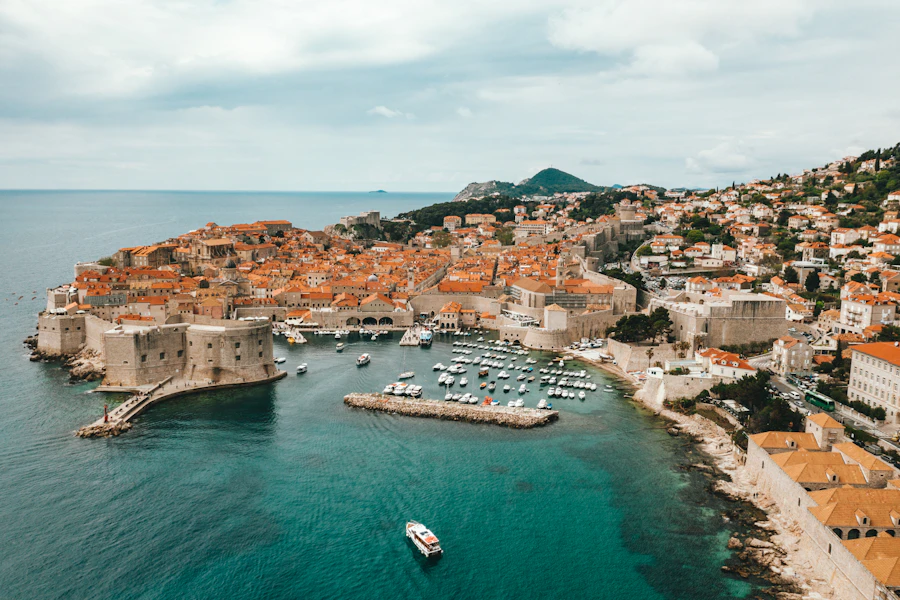
Процесс подачи заявки на визу цифрового кочевника в Хорватию относительно прост по сравнению со многими другими европейскими программами. Вот подробное пошаговое руководство.
Шаг 1: Соберите документы
Прежде чем начать процесс подачи, соберите все необходимые документы. Обычно это самая длительная часть процесса, поскольку некоторые документы требуют апостиля или официального перевода. Вам понадобятся следующие документы.
- Действующий загранпаспорт со сроком действия не менее шести месяцев
- Заполненная анкета на временное пребывание
- Фотографии паспортного формата (два недавних фото, соответствующих хорватским требованиям)
- Подтверждение дохода за последние шесть месяцев (банковские выписки, показывающие не менее 2 539 EUR в месяц, или годовой эквивалент 30 468 EUR)
- Трудовой договор или подтверждение владения бизнесом, подтверждающие работу на иностранную компанию
- Свидетельство о медицинской страховке, действительной в Хорватии на весь период пребывания
- Справка о несудимости из страны гражданства, с апостилем, выданная не ранее чем за шесть месяцев
- Подтверждение проживания в Хорватии (договор аренды, бронирование гостиницы или нотариально заверенное письмо от принимающей стороны)
- Квитанция об оплате консульского сбора (55 EUR)
Шаг 2: Подайте заявку
Подать заявку можно двумя способами. Если вы находитесь за пределами Хорватии, обратитесь в ближайшее хорватское посольство или консульство в вашей стране проживания. Если вы уже легально находитесь в Хорватии (например, по туристической визе или в рамках 90-дневного безвизового периода в Шенгенской зоне), можно подать заявку непосредственно в местное полицейское управление (Policijska uprava) в городе, где вы планируете проживать.
Подача заявки на месте, как правило, быстрее и удобнее, так как вы можете напрямую общаться с принимающим сотрудником и предоставлять дополнительные документы по запросу. Многие цифровые кочевники въезжают в Хорватию как туристы, находят жильё и затем подают заявку на визу цифрового кочевника на месте.
Шаг 3: Дождитесь рассмотрения
Официальный срок рассмотрения составляет до 30 дней с даты подачи, хотя на практике он может варьироваться от двух до шести недель в зависимости от объёма заявок и времени года. В пиковые летние месяцы рассмотрение может занять больше времени из-за увеличенного потока заявок. Вы имеете право легально оставаться в Хорватии во время рассмотрения вашей заявки, даже если срок вашего туристического въезда истекает в этот период.
Шаг 4: Получите разрешение
После одобрения вы получите разрешение на временное пребывание, которое обычно оформляется в виде карты резидента. Эта карта служит официальным удостоверением личности и доказательством легального проживания в Хорватии. Вам также необходимо зарегистрировать свой адрес в местной полиции в течение трёх дней после нахождения постоянного жилья.
Шаг 5: Оформите OIB
После получения вида на жительство следует оформить хорватский OIB (Osobni Identifikacijski Broj) — персональный идентификационный номер, используемый для различных административных целей. Хотя он формально не обязателен для держателей визы цифрового кочевника, наличие OIB значительно упрощает повседневную жизнь, так как он требуется для подписания договоров аренды, открытия коммунальных счетов и множества других операций.
Налоговые правила для цифровых кочевников в Хорватии
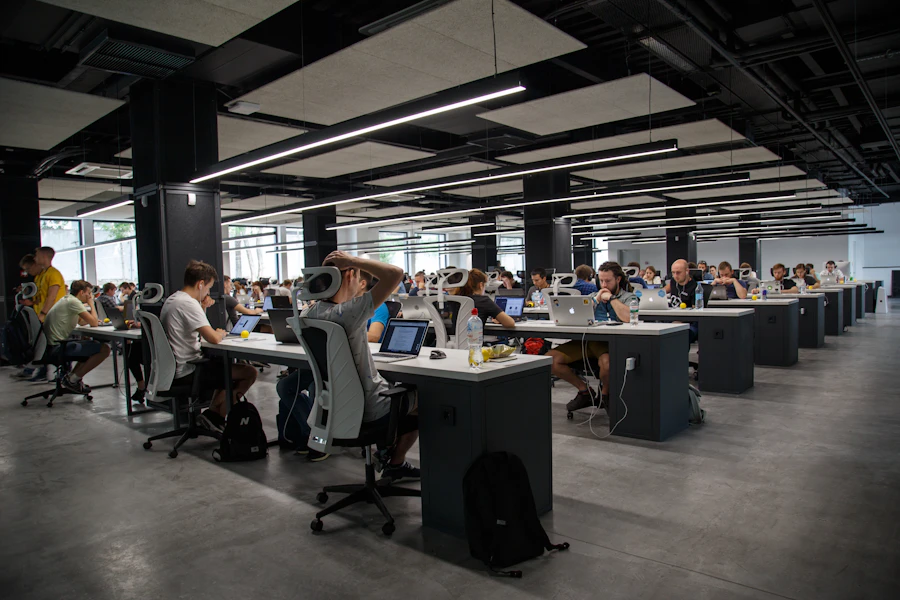
Одно из главных преимуществ Хорватии для цифровых кочевников — налоговый режим. По визе цифрового кочевника её держатели освобождаются от хорватского подоходного налога на доход из иностранных источников. Это означает, что деньги, заработанные у иностранного работодателя или клиентов, не облагаются никакими хорватскими налогами.
Однако это освобождение сопровождается важными оговорками.
Что покрывает освобождение
Налоговое освобождение распространяется именно на доход от организаций, зарегистрированных за пределами Хорватии. Если вы работаете на компанию в США, Великобритании или любой другой нехорватской организации, ваша зарплата освобождена от хорватского подоходного налога. Аналогично, если вы фрилансер с клиентами за пределами Хорватии, ваш фриланс-доход также освобождён.
Что не покрывает освобождение
Освобождение не позволяет работать на хорватские компании или оказывать услуги хорватским клиентам. В этом случае такой доход будет облагаться хорватскими налогами, и вы также нарушите условия визы цифрового кочевника. Кроме того, освобождение не обязательно снимает с вас налоговые обязательства в стране гражданства. Многие страны, включая США, облагают налогом своих граждан на мировой доход независимо от места проживания. Вы обязаны продолжать выполнять налоговые обязательства своей страны.
Социальные взносы
Держатели визы цифрового кочевника не обязаны платить хорватские социальные взносы (медицинское страхование и пенсионные отчисления), поскольку они не являются участниками хорватской системы занятости. Однако это также означает, что у вас нет доступа к хорватской государственной системе здравоохранения. Вы обязаны поддерживать частную медицинскую страховку на протяжении всего пребывания.
Подробнее о налоговых обязательствах в разных европейских странах читайте в нашем подробном налоговом гиде для цифровых кочевников в Европе.
Лучшие города для цифровых кочевников в Хорватии
Хорватия предлагает несколько отличных городов для удалённой работы, каждый со своим характером, преимуществами и сообществом. Вот лучшие варианты.
Загреб
Столица Хорватии — наиболее практичный выбор для цифровых кочевников, которые ставят на первое место инфраструктуру, коворкинги и круглогодичный городской образ жизни. В Загребе — континентальный климат с чёткой сменой сезонов, процветающая кафейная культура и растущая стартап-сцена в сфере технологий. Город предлагает самый широкий выбор коворкингов в Хорватии: Hubhub Zagreb, WESPA Spaces и Impact Hub Zagreb. Аренда однокомнатной квартиры в центре стоит 500–800 EUR в месяц, что делает его одной из самых доступных европейских столиц. Скорости интернета отличные, оптоволокно широко доступно.
Главный недостаток Загреба для некоторых — отсутствие выхода к морю. Однако до Адриатического побережья всего два-три часа на машине, и поездки на пляж на выходные вполне реальны. Город также располагает отличным общественным транспортом и хорошим авиа- и железнодорожным сообщением с другими европейскими городами.
Сплит
Сплит — крупнейший город на хорватском побережье, предлагающий привлекательное сочетание средиземноморского образа жизни, исторического очарования и современной инфраструктуры. Дворец Диоклетиана, объект Всемирного наследия ЮНЕСКО, формирует живое сердце старого города: рестораны, магазины и квартиры расположены прямо в его древних стенах. В Сплите есть несколько коворкингов, включая Coworking Split и Smartoffice, а сообщество цифровых кочевников значительно выросло с момента запуска визовой программы.
Аренда в Сплите составляет 500–900 EUR за однокомнатную квартиру в зависимости от близости к набережной. В городе хорошая интернет-инфраструктура, а аэропорт связан с многочисленными европейскими городами. Сплит также служит отличной базой для исследования близлежащих островов — Хвара, Брача и Виса. Более широкий обзор европейских прибрежных городов для кочевников — в нашем гиде по лучшим городам Европы для цифровых кочевников.
Дубровник
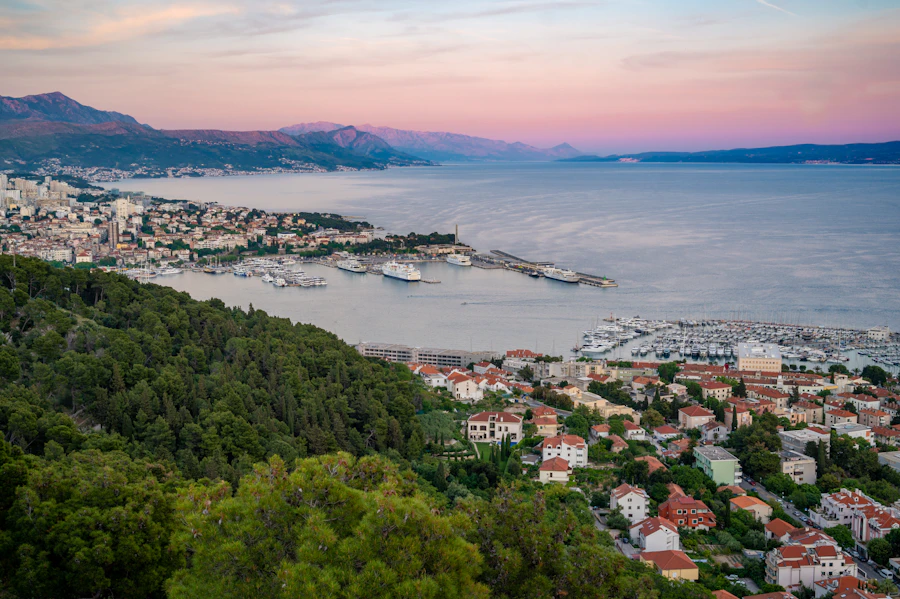
Дубровник — пожалуй, самый знаменитый город Хорватии, известный во всём мире своими потрясающими средневековыми стенами и Старым городом. Хотя он в первую очередь считается туристическим направлением, в Дубровнике формируется небольшое, но растущее сообщество цифровых кочевников. Город предлагает уникальную рабочую среду, особенно в межсезонье (октябрь-ноябрь и март-май), когда туристические потоки уменьшаются и город раскрывает свой более подлинный, местный характер.
Основные сложности Дубровника — более высокие цены (это самый дорогой город Хорватии) и интенсивный туристический поток летом. Однокомнатная квартира в Старом городе или поблизости может стоить 700–1 200 EUR в месяц, а ежедневные расходы заметно выше, чем в Загребе или Сплите. Возможности коворкинга более ограничены, хотя ситуация улучшается. Дубровник лучше всего подходит для цифровых кочевников, которые могут позволить себе премиальный образ жизни и предпочитают небольшое, более камерное сообщество.
Задар
Задар — менее известная жемчужина, предлагающая многое из того, что дают Сплит и Дубровник, но по более низким ценам и с меньшим количеством туристов. В городе — красивый старый город, отличные рестораны и растущая сцена цифровых кочевников. Аренда однокомнатной квартиры составляет 400–700 EUR, а интернет-инфраструктура надёжна. Задар также известен уникальными достопримечательностями — Морским органом, музыкальным инструментом, на котором играют волны, и Приветствием Солнцу — художественной инсталляцией на солнечных батареях.
Главное ограничение Задара — меньший размер и менее развитая коворкинг-сцена по сравнению с Загребом или Сплитом. Однако для цифровых кочевников, ценящих доступность, расслабленный ритм и лёгкий доступ как к побережью, так и к сельской местности, Задар — отличный выбор.
Риека
Риека — третий по величине город Хорватии и Европейская столица культуры 2020 года — становится новым вариантом для цифровых кочевников. Город обладает грубоватым, индустриальным шармом, который отличает его от полированных туристических городов южнее. Аренда доступна: 400–650 EUR за однокомнатную квартиру. В городе формируется небольшое, но растущее творческое и технологическое сообщество. Риека также предоставляет лёгкий доступ к полуострову Истрия, известному винами, трюфелями и живописными городками на холмах.
Коворкинги в Хорватии
Коворкинг-сцена Хорватии стремительно расширяется с момента запуска визовой программы для цифровых кочевников. Вот некоторые из лучших вариантов по всей стране.
| Пространство | Город | Цена в месяц | Особенности |
|---|---|---|---|
| Hubhub Zagreb | Загреб | 180 – 280 EUR | Переговорные, мероприятия, скоростной Wi-Fi |
| WESPA Spaces | Загреб | 150 – 250 EUR | Гибкие тарифы, мероприятия для сообщества |
| Impact Hub Zagreb | Загреб | 160 – 300 EUR | Фокус на социальное предпринимательство, нетворкинг |
| Coworking Split | Сплит | 120 – 200 EUR | Рядом с набережной, терраса, переговорные |
| Smartoffice | Сплит | 130 – 220 EUR | Выделенные рабочие места, отдельные кабинеты |
| Zadar Cowork | Задар | 100 – 160 EUR | Акцент на сообщество, мастер-классы, доступные цены |
Повседневная жизнь цифрового кочевника в Хорватии
Жизнь в Хорватии в качестве цифрового кочевника — это баланс профессиональной продуктивности и средиземноморского наслаждения. Вот чего следует ожидать в повседневной жизни.
Стоимость жизни
Хорватия предлагает значительно более низкую стоимость жизни по сравнению с западноевропейскими альтернативами. Один человек может комфортно жить на 1 200–1 800 EUR в месяц за пределами Дубровника, включая аренду, питание, транспорт и развлечения. Этот бюджет позволяет снять хорошую квартиру, регулярно обедать в ресторанах и вести активную социальную жизнь. Продукты доступны: еженедельные закупки на одного человека обходятся в 40–60 EUR. Ужин в местных ресторанах (конобах) — отличное соотношение цены и качества: полноценный обед с вином стоит 15–25 EUR.
Интернет и связь
Интернет-инфраструктура в Хорватии значительно улучшилась в последние годы: оптоволоконные подключения доступны во всех крупных городах. Средняя скорость загрузки в Загребе, Сплите и Дубровнике составляет 50–200 Мбит/с, чего более чем достаточно для видеозвонков, обмена файлами и большинства задач удалённой работы. Покрытие мобильной связью отличное по всей стране: 4G доступен повсюду, а 5G разворачивается в городских районах. Предоплаченная SIM-карта с щедрым объёмом трафика стоит примерно 10–20 EUR в месяц.
Транспорт
В Хорватии хорошо развит городской общественный транспорт: автобусы и трамваи (в Загребе) обеспечивают доступное и надёжное сообщение. Месячные проездные стоят 35–50 EUR. Для поездок между городами автобусы — наиболее распространённый и доступный вариант: компании FlixBus и Croatia Bus обслуживают частые маршруты вдоль побережья и вглубь страны. Для исследования островов и сельской местности рекомендуется аренда автомобиля по ценам от 25 до 40 EUR в день.
Здравоохранение
Как держатель визы цифрового кочевника, вы будете пользоваться частной медицинской страховкой, а не хорватской государственной системой здравоохранения. Частная медицина в Хорватии хорошего качества, особенно в крупных городах, где частные клиники предлагают англоговорящий персонал и современное оборудование. Стоимость частной медицинской помощи разумна по европейским стандартам: обычная консультация обходится в 50–100 EUR. Для повседневных медицинских потребностей аптеки (ljekarne) хорошо укомплектованы, а фармацевты, как правило, компетентны и готовы помочь.
Типичные ошибки, которых следует избегать
Основываясь на опыте тысяч цифровых кочевников, подававших заявки на хорватскую программу, вот самые распространённые ошибки и способы их избежать.
- Недостаточная документация о доходах. Самая частая причина задержек или отказов — неполное подтверждение дохода. Убедитесь, что ваши банковские выписки чётко показывают регулярные ежемесячные поступления свыше 2 539 EUR за последние шесть месяцев. Трудовые договоры должны явно указывать зарплату и подтверждать, что ваша работа является удалённой.
- Просроченная или неправильно оформленная справка о несудимости. Справка должна быть апостилирована и выдана не ранее чем за шесть месяцев до даты подачи заявки. Если вы начинаете собирать документы заблаговременно, позаботьтесь о том, чтобы именно этот документ был получен одним из последних.
- Неподходящая медицинская страховка. Некоторым заявителям отказывали из-за страховки, не соответствующей хорватским требованиям. Убедитесь, что ваш полис явно покрывает Хорватию (или зону ЕС/Шенгена), включает экстренную госпитализацию и медицинскую репатриацию и действует на весь год визы.
- Предположение о возможности продления. Многие цифровые кочевники с удивлением узнают, что хорватская виза не продлевается. Необходимо планировать, что будет после года в Хорватии: переезд в другую страну, возвращение домой или ожидание шести месяцев для повторной подачи. Некоторые кочевники чередуют Хорватию с другой страной, например Испанией или Португалией, чтобы сохранить европейский образ жизни.
- Работа на хорватских клиентов. Виза цифрового кочевника прямо запрещает оказание услуг хорватским компаниям и клиентам. Нарушение этого условия может повлечь отзыв визы и правовые последствия. Если вы получаете запросы от хорватского бизнеса, вежливо откажитесь или перенаправьте к местным специалистам.
Подходит ли вам виза цифрового кочевника в Хорватию?
Хорватская виза цифрового кочевника — отличный выбор, если вы цените налоговую эффективность, доступную стоимость жизни и богатый на впечатления образ жизни с простым процессом подачи. Программа особенно подходит цифровым кочевникам, которые хотят провести год, наслаждаясь средиземноморским образом жизни, без сложностей долгосрочного планирования резидентства. Освобождение от налога на иностранный доход — значительное преимущество, а природная красота страны и тёплая культура создают незабываемый опыт.
Основные ограничения — невозможность продления визы и отсутствие прямого пути к постоянному проживанию. Если ваша цель — построить долгосрочную жизнь в Европе, стоит рассмотреть страны с более гибкими вариантами продления и путями к резидентству, такие как Испания или Португалия. Полное сравнение всех вариантов — в нашем гиде по всем европейским странам, предлагающим визу цифрового кочевника в 2026 году.
Чтобы понять, как хорватская программа соотносится с другими типами виз, включая фрилансерские и туристические, ознакомьтесь с нашим подробным сравнением типов виз для цифровых кочевников.