Европа предлагает невероятное разнообразие городов для цифровых кочевников — от залитых солнцем средиземноморских побережий до передовых балтийских столиц и всего, что между ними. Лучший город для вас зависит от вашего бюджета, стиля работы, социальных предпочтений и образа жизни, который вы хотите выстроить вокруг удалённой карьеры. В этом гиде мы подробно рассматриваем девять лучших европейских городов для цифровых кочевников в 2026 году с детальной информацией о стоимости жизни, интернет-инфраструктуре, коворкингах и развитости местного сообщества удалённых работников.
Сравнительная таблица
| Город | Месячный бюджет | Средняя скорость интернета | Коворкинг (в месяц) | Размер сообщества |
|---|---|---|---|---|
| Лиссабон | 1 800 – 2 500 EUR | 150 – 300 Мбит/с | 150 – 250 EUR | Очень большое |
| Барселона | 2 000 – 2 800 EUR | 100 – 300 Мбит/с | 200 – 350 EUR | Очень большое |
| Таллин | 1 500 – 2 200 EUR | 100 – 500 Мбит/с | 150 – 250 EUR | Среднее |
| Будапешт | 1 200 – 1 800 EUR | 100 – 250 Мбит/с | 100 – 200 EUR | Большое |
| Прага | 1 400 – 2 000 EUR | 100 – 300 Мбит/с | 120 – 220 EUR | Большое |
| Берлин | 1 800 – 2 600 EUR | 80 – 250 Мбит/с | 200 – 350 EUR | Очень большое |
| Сплит | 1 200 – 1 700 EUR | 80 – 200 Мбит/с | 120 – 200 EUR | Среднее |
| Валенсия | 1 400 – 2 000 EUR | 100 – 300 Мбит/с | 120 – 200 EUR | Большое (растущее) |
| Тбилиси | 800 – 1 300 EUR | 50 – 150 Мбит/с | 60 – 120 EUR | Большое (растущее) |
1. Лиссабон, Португалия
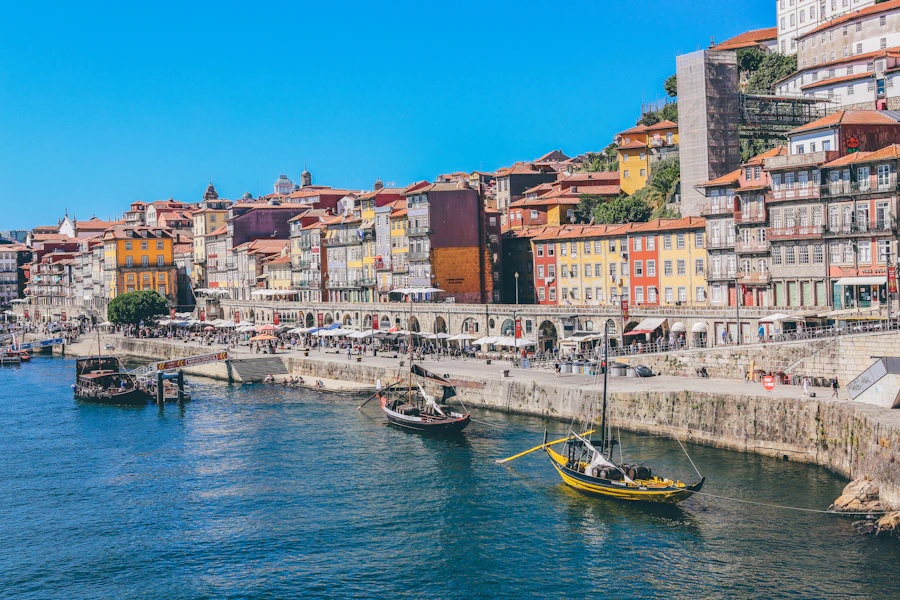
Лиссабон стабильно входит в тройку лучших городов мира для цифровых кочевников, и причины этого очевидны каждому, кто здесь побывал. Португальская столица сочетает потрясающую архитектуру, великолепную кухню, гостеприимную культуру и развитую технологическую экосистему в компактном, пешеходном городе, который ощущается одновременно историческим и современным. Сообщество цифровых кочевников здесь — одно из крупнейших и наиболее организованных в Европе: регулярные встречи, нетворкинг и социальные мероприятия проходят всю неделю.
Стоимость жизни в Лиссабоне неуклонно росла в последние годы из-за его популярности, но по-прежнему значительно ниже, чем в сопоставимых западноевропейских столицах. Однокомнатная квартира в центре города стоит от 900 до 1 500 EUR в месяц, а районы вроде Алмады или Амадоры на другом берегу реки Тежу предлагают гораздо более выгодные варианты — от 600 до 900 EUR. Ежедневные расходы на еду, транспорт и развлечения составляют в среднем 30–45 EUR в день для комфортного образа жизни.
Интернет-инфраструктура — одно из главных преимуществ. Португалия активно инвестировала в оптоволоконный широкополосный доступ, и Лиссабон предлагает одни из самых высоких скоростей домашнего интернета в Европе. Большинство коворкингов обеспечивают выделенные каналы от 200 Мбит/с и выше. Сцена коворкингов великолепна — пространства вроде Second Home, Outsite Lisbon и Heden предлагают разнообразные форматы: от корпоративно-профессиональных до расслабленно-пляжных.
Климат Лиссабона — ещё один плюс: мягкие зимы со средней температурой 10–15 градусов и тёплое лето с 25–30 градусами. Город также служит воротами к прекрасному побережью Алгарве и субтропическим Азорским островам и Мадейре. Информацию о визах смотрите в нашем гиде по визам для цифровых кочевников в Европе на 2026 год.
2. Барселона, Испания
Барселона — пожалуй, самый космополитичный город для цифровых кочевников в Европе, привлекающий поистине международное сообщество удалённых работников, предпринимателей и представителей творческих профессий. Город предлагает необычайное сочетание средиземноморского климата, архитектуры мирового класса, яркой ночной жизни и глубоко интернациональной атмосферы, в которой новички чувствуют себя как дома с первого дня.
Стоимость жизни здесь выше, чем в большинстве других городов этого списка: однокомнатные квартиры в центральных районах — Эшампле, Грасия или Эль-Борн — стоят от 1 000 до 1 800 EUR в месяц. Однако качество жизни исключительно высокое, а районы чуть дальше от центра, такие как Побле-Сек или Сант-Антони, предлагают более доступные варианты. Сцена коворкингов — одна из самых развитых в Европе: пространства вроде MOB, Betahaus Barcelona и OneCoWork предоставляют всё — от свободных столов до личных офисов с видом на море.
Барселона выигрывает благодаря испанской визе для цифровых кочевников и закону Бекхэма, что делает её налогово выгодным выбором для подходящих удалённых работников. Аэропорт города связан практически с каждым крупным европейским городом, а сеть высокоскоростных поездов обеспечивает быстрый доступ к Мадриду, Валенсии и югу Франции. Скорость интернета по всему городу превосходная, оптоволокно широко доступно.
Сообщество цифровых кочевников в Барселоне огромное и разнообразное. Встречи и мероприятия проходят каждый день недели: от технических докладов и презентаций стартапов до пляжного волейбола и языковых обменов. Сообщество особенно сильно в технологическом и творческом секторах, что делает город идеальным местом для нетворкинга и коллаборации. Рекомендации по коворкингам смотрите в нашем гиде по лучшим коворкингам Барселоны.
3. Таллин, Эстония
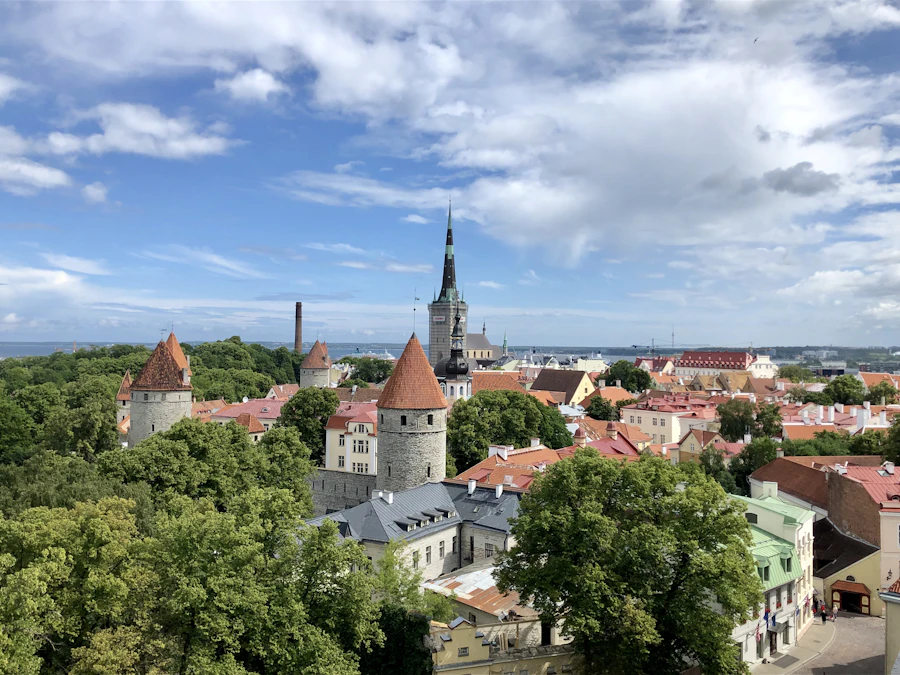
Таллин представляет собой совершенно иной тип направления для цифровых кочевников. Вместо средиземноморского солнца столица Эстонии предлагает передовую цифровую инфраструктуру, процветающую стартап-экосистему и одно из самых продвинутых в цифровом отношении правительств мира. Таллин — родина Skype и место реализации эстонской программы электронного резидентства (e-Residency), которая позволяет любому человеку в мире основать и управлять бизнесом в ЕС онлайн.
Стоимость жизни умеренная по европейским меркам. Однокомнатная квартира в центре города стоит 700–1 100 EUR в месяц, а ежедневные расходы составляют разумные 25–40 EUR в день. Город компактный и удобный для пеших прогулок, с отличным общественным транспортом.
Скорости интернета — одни из самых высоких в Европе, что неудивительно, учитывая репутацию Эстонии как цифрового пионера. Оптоволоконные подключения на 300–500 Мбит/с — обычное дело, а бесплатный публичный Wi-Fi доступен во многих местах. Сцена коворкингов хорошо развита для города размера Таллина: пространства вроде Lift99, Spring Hub и Workland предлагают качественные условия и активные сообщества.
Главный недостаток Таллина — его климат. Зимы длинные, тёмные и холодные: температура опускается до минус 10 градусов и ниже, а в декабре световой день длится всего шесть-семь часов. Однако город компенсирует это яркой «внутренней» культурой, включая отличные кафе, рестораны и культурные мероприятия. Лето, напротив, волшебное — почти круглосуточный световой день и температура 18–25 градусов.
4. Будапешт, Венгрия
Будапешт — одно из самых выгодных направлений в Европе для цифровых кочевников, предлагающее потрясающую архитектуру, яркую культурную сцену и удивительно низкую стоимость жизни. Термальные купальни, руин-бары и кафе на величественных бульварах создают атмосферу, в равной мере пропитанную исторической элегантностью и богемным духом.
Однокомнатная квартира в центре Будапешта стоит 500–900 EUR в месяц, что делает его одной из самых доступных столиц ЕС. Ежедневные расходы на еду, транспорт и развлечения составляют всего 20–35 EUR в день. Питание в ресторанах особенно доступно — отличные блюда венгерской кухни обойдутся в 8–15 EUR в местных заведениях.
Интернет-инфраструктура значительно улучшилась за последние годы: оптоволоконные подключения на 100–250 Мбит/с доступны в большей части города. Коворкинг-сцена процветает: пространства вроде Kaptarna, Mosaik и Impact Hub Budapest предлагают разнообразные варианты — от свободных столов до выделенных профессиональных офисов. Сообщество цифровых кочевников большое и гостеприимное, с регулярными встречами, организуемыми через различные онлайн-группы.
Климат Будапешта — континентальный: жаркое лето до 30–35 градусов и холодные зимы с падением до минус 5 градусов. Город расположен в центре Европы, с бюджетными перелётами практически в любую европейскую столицу. Венгерская программа виз для цифровых кочевников предлагает один из самых низких порогов дохода в Европе — 2 000 EUR в месяц, что делает Будапешт доступным для широкого круга удалённых работников.
5. Прага, Чехия
Прага привлекала экспатов и цифровых кочевников десятилетиями — задолго до появления специальных виз для удалённых работников. Потрясающая готическая и барочная архитектура города, пивная культура мирового класса и расположение в центре Европы продолжают притягивать удалённых работников со всего мира.
Стоимость жизни в Праге выросла за последние годы, но остаётся доступной по западноевропейским стандартам. Однокомнатная квартира в центральных районах — Виноградах, Жижкове или Карлине — стоит 700–1 100 EUR в месяц. Ежедневные расходы составляют в среднем 25–40 EUR, за заметным исключением пива, которое остаётся поразительно доступным — 1,50–3,00 EUR за пол-литра в большинстве пабов.
Коворкинг-инфраструктура Праги — зрелая и разнообразная. Пространства вроде Locus Workspace, Impact Hub Prague и Paper Hub предлагают отличные условия с активными сообществами. Технологическая сцена хорошо развита: регулярные встречи, хакатоны и стартап-мероприятия. Сообщество цифровых кочевников значительно пересекается с более широким сообществом экспатов, формируя большую и разнообразную международную сеть.
Скорости интернета надёжные: оптоволокно на 100–300 Мбит/с широко доступно. Центральное расположение Праги делает её идеальной базой для изучения Центральной Европы — Вена, Берлин, Краков и Братислава легко достижимы поездом или бюджетным авиарейсом. Чешская виза Живно предоставляет легальный путь для фрилансеров и удалённых работников. Подробности — в нашем европейском визовом гиде.
6. Берлин, Германия
Берлин — неофициальная столица Европы для творческих и независимых профессионалов. Город десятилетиями привлекал художников, музыкантов, писателей, а теперь и цифровых кочевников доступной арендой (по западноевропейским меркам), легендарной ночной жизнью и яростно независимой культурой. Стартап-экосистема Берлина — одна из крупнейших в Европе, что делает город отличным местом для нетворкинга и профессионального развития.
Арендная плата в Берлине значительно выросла в последние годы, но остаётся более доступной, чем в Лондоне, Париже или Амстердаме. Однокомнатная квартира стоит 800–1 400 EUR в центральных районах — Кройцберге, Нойкёльне или Фридрихсхайне. Найти квартиру в Берлине бывает непросто, и многие цифровые кочевники начинают с краткосрочной аренды или коливингов, пока ищут более долгосрочные варианты.
Коворкинг-сцена огромна: сотни пространств по всему городу обслуживают любые ниши и бюджеты. Factory Berlin, Betahaus и St. Oberholz — одни из самых известных, но множество небольших специализированных пространств тоже заслуживают внимания. Сообщество цифровых кочевников и фрилансеров — одно из крупнейших в Европе, с ежедневными мероприятиями и встречами.
Главный недостаток Берлина — его погода. В городе континентальный климат с холодными, серыми зимами, которые могут казаться гнетущими, особенно для приехавших из более солнечных мест. Лето, однако, прекрасно: длинные дни, приятная температура и множество возможностей для отдыха на природе, включая купание в многочисленных городских озёрах.
7. Сплит, Хорватия
Сплит предлагает то, чего немногие другие города в этом списке могут достичь: сочетание древнего средиземноморского наследия и современной инфраструктуры для цифровых кочевников по доступной цене. Дворец Диоклетиана составляет живой центр города, и работа из кафе в его древних стенах создаёт опыт, не сравнимый ни с чем другим в Европе.
Стоимость жизни в Сплите — одна из самых низких в этом списке. Однокомнатная квартира стоит 500–900 EUR в месяц, а ежедневные расходы составляют всего 20–30 EUR в день. Гастрономическая сцена великолепна: свежие морепродукты и хорватская кухня доступны по очень разумным ценам. Сообщество цифровых кочевников быстро выросло с момента запуска хорватской визовой программы, и теперь в городе есть несколько коворкингов и регулярные встречи.
Скорости интернета надёжны в центре города: подключения на 80–200 Мбит/с обычно доступны. Главное, что нужно учитывать в Сплите, — его сезонный характер. Летом город заполняется туристами, и цены растут. Межсезонье — с апреля по июнь и с сентября по октябрь — идеально для цифровых кочевников: приятная погода, более низкие цены и более расслабленная атмосфера. Подробнее о жизни и работе в Хорватии читайте в нашем полном гиде по визе цифрового кочевника в Хорватию.
8. Валенсия, Испания
Валенсия стремительно становится одним из самых популярных направлений в Европе для цифровых кочевников, и легко понять почему. Третий по величине город Испании предлагает многое из того, чем славится Барселона — средиземноморскую погоду, великолепную кухню и яркую культурную жизнь — но при значительно более низкой стоимости жизни и более комфортном ритме.
Аренда однокомнатной квартиры в центре Валенсии составляет 600–1 000 EUR, что существенно доступнее Барселоны или Мадрида. Стоимость повседневной жизни тоже ниже: обед в ресторане стоит в среднем 10–15 EUR, а превосходный общественный пляж доступен за короткую поездку на автобусе или велосипеде из центра города. Валенсия также знаменита как родина паэльи, и местная гастрономическая сцена — постоянный источник удовольствия для жителей.
Коворкинг-сцена стремительно расширяется: пространства вроде Wayco, Lanzadera и The Shed Coworking предлагают отличные условия. Сообщество цифровых кочевников быстро растёт, привлекая многих, кто изначально рассматривал Барселону, но выбрал Валенсию из-за лучшего соотношения цены и качества и более комфортного масштаба города. Интернет-инфраструктура превосходна, оптоволокно широко доступно. Город также выигрывает от испанской визы для цифровых кочевников и закона Бекхэма. Подробное сравнение с Португалией — в нашем гиде Испания vs Португалия.
9. Тбилиси, Грузия
Формально Тбилиси не входит в Евросоюз, но расположен на перекрёстке Европы и Азии и стал одним из самых обсуждаемых направлений для цифровых кочевников на континенте. Грузинская столица предлагает необычайно низкую стоимость жизни, щедрую безвизовую политику для граждан большинства стран (до одного года пребывания без визы) и уникальный культурный опыт, сочетающий восточноевропейские, ближневосточные и кавказские влияния.
Стоимость жизни в Тбилиси — самая низкая в этом списке с заметным отрывом. Однокомнатная квартира в центре города стоит 300–600 EUR в месяц, а ежедневные расходы составляют всего 15–25 EUR в день. Грузинская кухня великолепна и невероятно доступна: сытные блюда обойдутся в 5–10 EUR в местных ресторанах. Вино, которым Грузия знаменита как один из старейших винодельческих регионов мира, также отличается высоким качеством и доступной ценой.
Скорости интернета значительно улучшились, но остаются ниже, чем в странах ЕС: типичные подключения — 50–150 Мбит/с. Коворкинг-сцена развивается: пространства вроде Impact Hub Tbilisi, Terminal и Fabrika предлагают хорошие условия по очень низким ценам. Сообщество цифровых кочевников значительно выросло за последние годы, привлекая удалённых работников сочетанием доступности, культурного богатства и возможности находиться в стране до года без визы.
Основные сложности Тбилиси — менее развитая система общественного транспорта, периодические языковые барьеры (хотя уровень английского быстро растёт среди молодых грузин) и инфраструктура, которая может быть непостоянной за пределами центра города. Однако для цифровых кочевников с ограниченным бюджетом или тех, кто ищет по-настоящему уникальный культурный опыт, Тбилиси трудно превзойти.

Как выбрать свой город
Выбор подходящего европейского города для жизни цифрового кочевника требует честной оценки ваших приоритетов. Вот несколько подходов, которые помогут определиться.
Подход «Бюджет прежде всего»
Если минимизация расходов — ваш главный приоритет, Тбилиси, Будапешт и Сплит предлагают лучшее соотношение цены и качества. В любом из этих городов можно комфортно жить на 1 000–1 500 EUR в месяц, оставляя больше дохода на сбережения, путешествия или инвестиции. В этих городах, как правило, ниже и визовые пороги по доходу, что делает их доступными для более широкого круга удалённых работников.
Подход «Сообщество прежде всего»
Если создание крепкой профессиональной и социальной сети важнее всего, лидируют Лиссабон, Барселона и Берлин. В этих городах — самые крупные, устоявшиеся и активные сообщества цифровых кочевников в Европе, с мероприятиями и возможностями для нетворкинга каждый день недели. Более крупное сообщество также означает больше возможностей для коллаборации, менторства и дружбы.
Подход «Климат прежде всего»
Если погода — приоритет, средиземноморские города — Лиссабон, Барселона, Валенсия и Сплит — предлагают больше всего солнца и самые мягкие зимы. Валенсия и Лиссабон особенно привлекательны для круглогодичной жизни на свежем воздухе, а Сплит предлагает лучшее сочетание побережья и доступности.
Подход «Инфраструктура прежде всего»
Если скорость интернета и цифровая инфраструктура — обязательные условия, Таллин, Лиссабон и Барселона предлагают самые быстрые и надёжные подключения. Таллин особенно выделяется благодаря электронным государственным услугам и экосистеме, дружелюбной к стартапам, а Лиссабон и Барселона отличаются превосходным покрытием оптоволокном и зрелыми коворкинг-сценами.
Итоговые рекомендации
Не существует единственно лучшего города для каждого цифрового кочевника. Правильный выбор зависит от вашей уникальной комбинации приоритетов, бюджета и предпочтений в образе жизни. Объединяет все девять городов этого списка то, что они искренне рады удалённым работникам и активно развивают инфраструктуру для поддержки кочевого образа жизни.
Если вы только начинаете жизнь цифрового кочевника, рассмотрите Лиссабон или Барселону, где крупные сообщества и развитая инфраструктура максимально облегчают переход. Если вы опытный кочевник в поисках лучшего соотношения цены и качества, Будапешт, Валенсия и Тбилиси предлагают исключительное качество жизни по более низким ценам. А если вас привлекает передовой край цифровых инноваций, Таллин предлагает уникальный опыт, которого нет больше ни в одном европейском городе.
Какой бы город вы ни выбрали, убедитесь, что вы понимаете визовые требования выбранного направления. Ознакомьтесь с нашим подробным гидом по визам для цифровых кочевников в Европе на 2026 год и нашим сравнением типов виз для удалённых работников, чтобы подготовить все необходимые документы заранее.