Сборы в Европу требуют иного подхода, чем сборы на пляжный курорт или в поездку по одному городу. Разнообразие климатических зон, мощёные улочки, компактные номера в отелях и разные культурные ожидания — всё это требует вдумчивого планирования. Путешествуете ли вы по средиземноморским побережьям летом или по рождественским ярмаркам зимой, этот исчерпывающий список поможет взять всё необходимое, не перегружая чемодан.
Философия умных сборов
Прежде чем переходить к конкретным вещам, стоит определить принципы эффективных сборов для путешествия по Европе. Задача — не подготовиться к каждому мыслимому сценарию, а создать универсальный гардероб и набор снаряжения, который покроет 90 процентов ситуаций и при этом будет достаточно лёгким для перемещения между поездами, мощёными улочками и узкими лестницами отелей.
Самая распространённая ошибка при сборах — взять слишком много. Путешественники, которые пакуют мало, единодушно отмечают, что поездка становится значительно приятнее. Они легче перемещаются между городами, экономят на доплате за багаж в бюджетных авиакомпаниях, не тратят время у багажных лент и никогда не переживают из-за потерянного чемодана. Если всё помещается в ручную кладь — вы открываете для себя уровень свободы, который по-настоящему меняет впечатления от путешествия.
Второй принцип — универсальность. Каждая вещь в вашей сумке должна выполнять несколько функций или сочетаться с несколькими комплектами одежды. Лёгкий шарф может служить модным аксессуаром, пледом в самолёте, накидкой для посещения церквей и парео на пляже. Одежда из шерсти мериноса можно носить несколько дней без стирки, и она работает в широком диапазоне температур. Выбор универсальных вещей радикально сокращает общее количество того, что нужно взять.
Рекомендации по выбору багажа
Выбор багажа задаёт основу для всего остального. Правильная сумка делает путешествие по Европе лёгким, а неправильная превращает каждый день переезда в испытание.
Чемоданы для ручной клади
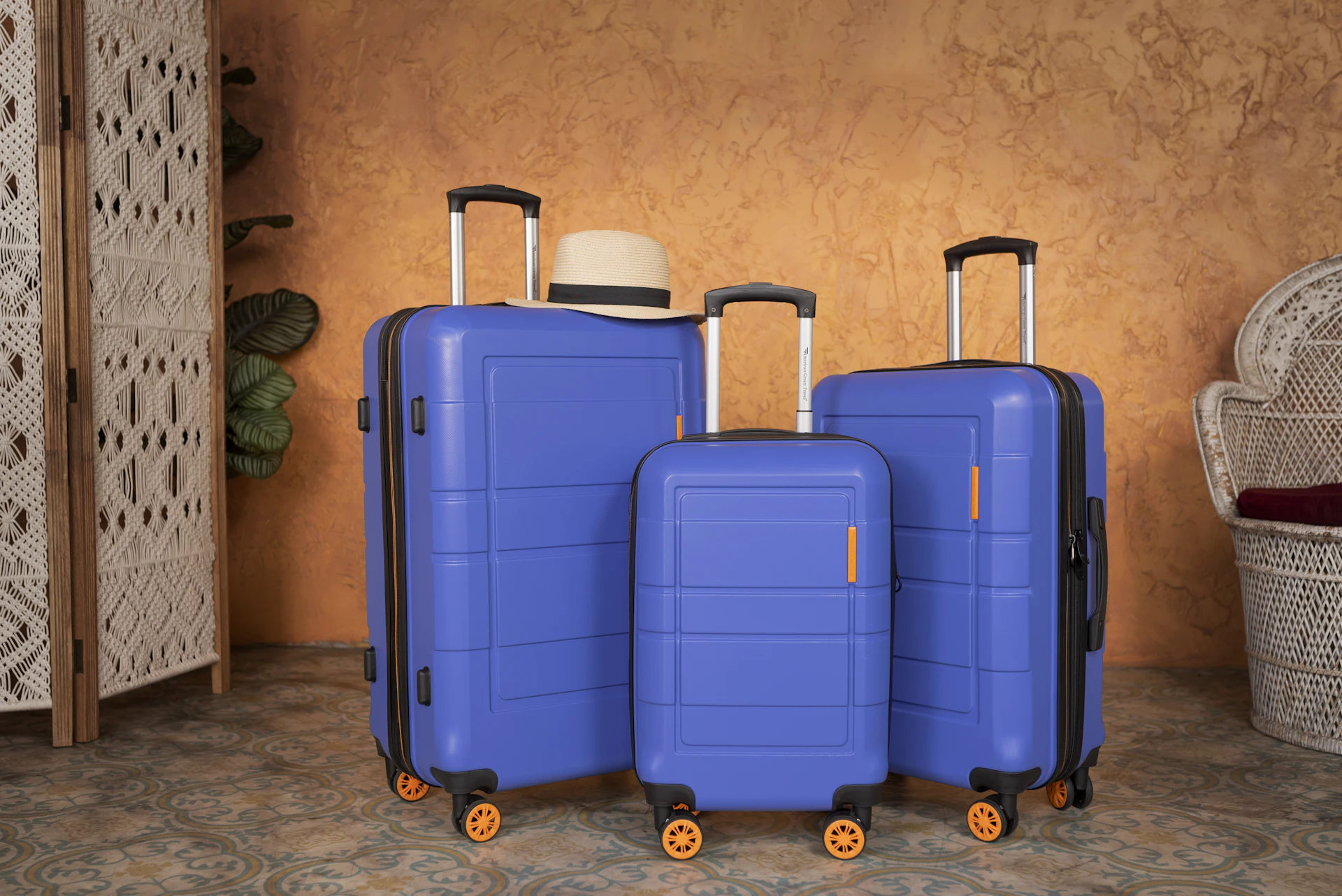
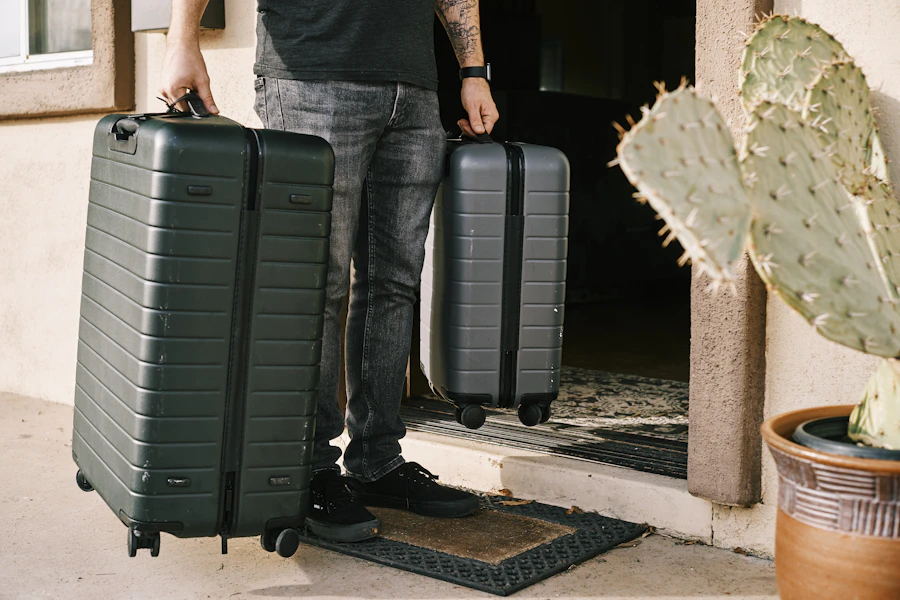
Для поездок продолжительностью одну-две недели качественный чемодан для ручной клади часто является оптимальным выбором. Ищите сумки, соответствующие самым строгим европейским нормам ручной клади: обычно 55 x 40 x 20 см для бюджетных авиакомпаний и 55 x 40 x 23 см для большинства классических перевозчиков. Жёсткие чемоданы на четырёх колёсах удобно перемещаются по терминалам аэропортов, а мягкие модели более гибкие при размещении в тесных верхних полках.
Дорожные рюкзаки
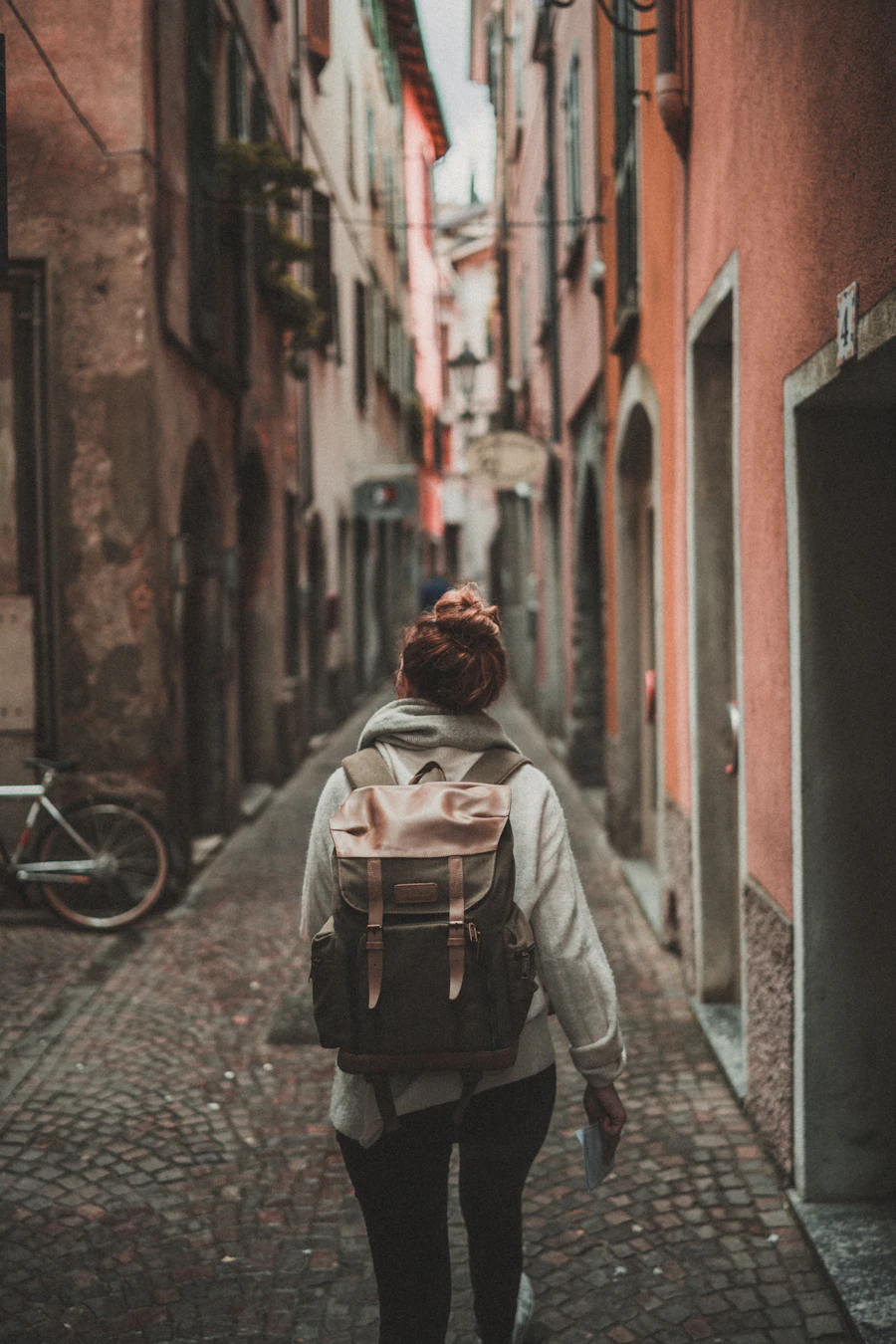
Для поездок, включающих несколько городов и частые переезды, дорожный рюкзак объёмом 35–45 литров обеспечивает лучшую мобильность. В отличие от чемоданов на колёсах, рюкзаки легко справляются с мощёными улочками, лестницами и неровным рельефом. Выбирайте модели с раскладкой «книжка» для удобства упаковки и доступа к вещам, поясным ремнём для комфортного ношения и замками на молниях для безопасности.
Дневная сумка
Помимо основного багажа, возьмите компактную сумку для дневных прогулок. Складной рюкзак, убирающийся в собственный карман, занимает минимум места в багаже, но предоставляет свободу рук при переноске воды, фотоаппарата, перекусов и сувениров. Для безопасности в туристических зонах выбирайте сумку со скрытыми молниями или RFID-защитой.
Метод капсульного гардероба
Капсульный гардероб для путешествия состоит из небольшой коллекции взаимозаменяемых вещей, которые можно комбинировать для создания разных образов на разные случаи. Ключ — в выборе нейтральной цветовой палитры с одним-двумя акцентными цветами, чтобы всё сочеталось между собой. Вот основа универсального гардероба для поездки в Европу.
Базовые предметы одежды
| Категория | Вещи | Количество | Примечания |
|---|---|---|---|
| Верх | Футболки / блузки | 3–4 | Сочетание коротких и длинных рукавов, нейтральные цвета |
| Низ | Брюки / юбки | 2–3 | Одни нарядные, одни повседневные, одни универсальные |
| Утепление | Свитер или кардиган | 1–2 | Шерсть мериноса — тепло без объёма |
| Куртка | Верхний слой | 1 | По сезону, желательно складная |
| Бельё | Нижнее бельё | 4–5 | Быстросохнущая ткань позволяет стирать в раковине |
| Носки | Ходовые носки | 3–4 пары | Шерсть мериноса предотвращает мозоли и запах |
| Пижама | Одежда для сна | 1 комплект | Может служить домашней одеждой |
| Вечерний наряд | Нарядный комплект | 1 | Для ресторанов, спектаклей или вечерних выходов |
Обувь
Обувь — самое важное решение при сборах в Европу. Вы будете ходить пешком гораздо больше, чем ожидаете, часто по неровным поверхностям: мощёным улочкам, гравийным дорожкам, мраморным полам. Берите не более трёх пар: удобную прогулочную обувь, которую вы уже разносили, более нарядную пару для вечерних выходов и сандалии для жаркой погоды и душевых в хостелах.
Надевайте самую громоздкую обувь в дорогу, чтобы сэкономить место в багаже. Не берите в Европу совершенно новую обувь, так как мозоли от неразношенной пары могут серьёзно испортить поездку. Тестируйте дорожную обувь минимум неделю до отъезда, проходя не менее пяти километров в день, чтобы выявить проблемные места.
Сезонный гид по сборам
Весна (март — май)
Европейская весна непредсказуема: утром бывает прохладно, а к обеду — тепло. Многослойность обязательна. Возьмите лёгкие рубашки с длинным рукавом, свитер средней плотности и водонепроницаемую куртку. Апрельские дожди — обычное дело на большей части континента, поэтому компактный зонт или складная дождевая куртка — вещь первой необходимости. В мае на юге Европы температура может достигать 25 °C, тогда как в Скандинавии и на Британских островах по утрам может быть всего около 5 °C.
Складной пуховик прекрасно согревает прохладными весенними вечерами при минимальном весе. Выбирайте водоотталкивающую прогулочную обувь вместо текстильных кроссовок, ведь мокрая мостовая скользкая, а весенний дождь — частый гость. Берите солнцезащитные очки и крем от солнца даже ранней весной, так как уровень УФ-излучения заметно возрастает после марта, а в горных районах свет усиливается за счёт отражения от снега.
Лето (июнь — август)
Лето в Европе — это жара, солнце и толпы. Возьмите лёгкую, дышащую одежду светлых оттенков. Смесовые ткани на основе льна и хлопка помогают сохранять прохладу при средиземноморской жаре, которая на юге Европы регулярно превышает 35 °C. Возьмите хотя бы одни шорты и несколько лёгких футболок. Купальник необходим даже для городских поездок: во многих европейских городах есть общественные бассейны, зоны для купания или пляжи неподалёку.
Несмотря на жару, возьмите один лёгкий слой для кондиционированных ресторанов и музеев, в которых после пребывания на солнце бывает неожиданно холодно. Лёгкий шарф или шаль незаменимы — и для тепла, и для скромности при посещении церквей и религиозных мест, многие из которых требуют закрытых плеч и коленей. Защита от солнца становится критически важной: возьмите шляпу с широкими полями, качественные солнцезащитные очки и крем с высоким SPF.
Осень (сентябрь — ноябрь)
Осень — пожалуй, лучший сезон для путешествий по Европе: мягкая погода, потрясающая листва и меньше туристов. Берите слои, аналогичные весенним, но чуть теплее. Куртка средней плотности, шерстяной свитер и длинные брюки — основа осеннего гардероба. В начале сентября на юге Европы ещё ощущается лето, тогда как в конце ноября на севере уже почти зимние условия.
Это сезон универсальной одежды в земляных тонах, которая гармонирует с прекрасной осенней палитрой европейских городов. Возьмите водонепроницаемый верхний слой, так как осенние дожди — обычное дело по всему континенту. Закрытая водостойкая обувь становится особенно важной с понижением температуры, когда мокрая листва создаёт скользкие условия на тротуарах и пешеходных маршрутах.
Зима (декабрь — февраль)
Зимние сборы в Европу требуют наиболее стратегического подхода, потому что объёмная зимняя одежда быстро заполняет чемодан. Ключ — в эффективной многослойности, а не в массивных отдельных вещах. Начните с влагоотводящего базового слоя, добавьте утепляющий промежуточный слой — свитер из мериноса или флис — и завершите качественной водо- и ветрозащитной курткой.
Тёплая шапка, утеплённые перчатки и плотный шарф необходимы для северной и центральной Европы, где температура регулярно опускается ниже нуля. Термобельё занимает минимум места, но кардинально повышает комфорт на холоде. Для обуви выбирайте утеплённые водонепроницаемые ботинки с хорошим сцеплением для обледенелых тротуаров. Если планируете посещение рождественских ярмарок, помните: вы будете часами стоять на улице, и тёплые носки с утеплёнными стельками ощутимо улучшат ваше самочувствие.
Электроника и технические принадлежности
Современное путешествие по Европе требует продуманного набора электроники. Собирайте стратегически, чтобы оставаться на связи, заряженным и развлечённым, не перегружая сумку гаджетами.
| Предмет | Приоритет | Примечания |
|---|---|---|
| Универсальный переходник | Обязательно | В Европе используются розетки типа C и типа G (Великобритания) |
| Портативный аккумулятор | Обязательно | Минимум 10 000 мАч, 20 000 мАч для активных пользователей |
| Телефон с eSIM | Обязательно | Активируйте европейскую eSIM до отъезда |
| Наушники с шумоподавлением | Рекомендуется | Незаменимы в самолёте, поезде и хостеле |
| USB-C кабель и зарядное | Обязательно | GaN-зарядки компактны и поддерживают быструю зарядку |
| Фотоаппарат | По желанию | Современные телефоны часто достаточны; камера — для серьёзной фотографии |
| Электронная книга | По желанию | Легче бумажных книг, долго держит заряд |
| Ноутбук или планшет | По ситуации | Только для удалённых работников; туристам редко нужен |
Переходники и зарядка
В Европе преимущественно используются розетки типа C (евровилка) с двумя штырьками, но в Великобритании, Ирландии, на Мальте и Кипре — тип G с тремя штырьками. Качественный универсальный переходник, покрывающий оба типа, необходим. Откажитесь от дешёвых многоразъёмных адаптеров, которые могут повредить устройства, и вложитесь в надёжный бренд с защитой от скачков напряжения. Компактная GaN-зарядка с несколькими USB-C портами позволяет одновременно заряжать телефон, аккумулятор и наушники от одной розетки — что особенно полезно в старых европейских отелях с ограниченным количеством розеток.
Как оставаться на связи
eSIM — самый удобный способ получить мобильный интернет в Европе. Провайдеры вроде Airalo, Holafly и Nomad предлагают доступные европейские тарифы, которые активируются мгновенно на совместимых телефонах. Если ваш телефон не поддерживает eSIM, рассмотрите покупку предоплаченной европейской SIM-карты по прибытии. Внутри ЕС правила роуминга означают, что SIM-карта любой страны ЕС работает по всем государствам-членам без дополнительной платы, и одной карты достаточно для путешествия по нескольким странам.
Документы и деньги
Правильно организованные и легкодоступные документы — залог гладкого путешествия по Европе. Отсутствие или недоступность документов может вызвать серьёзные проблемы, поэтому подготовка критически важна.
Чек-лист необходимых документов
Паспорт, разумеется, необходим, но убедитесь, что его срок действия составляет не менее шести месяцев после запланированной даты возвращения, так как многие страны строго следят за этим требованием. Носите при себе ксерокопию главной страницы паспорта отдельно от оригинала и храните цифровую копию в защищённом облачном хранилище. Если вам нужна шенгенская виза или иное разрешение на въезд, проверьте требования задолго до поездки и возьмите с собой распечатки всех подтверждающих документов.
Распечатайте подтверждения бронирования жилья, маршруты перелётов и данные полиса туристической страховки. Хотя электронных копий обычно достаточно, бумажные резервные варианты защитят вас, если телефон разрядится или будет украден. Международное водительское удостоверение требуется в дополнение к обычным правам, если вы планируете арендовать автомобиль в некоторых европейских странах.
Деньги и карты
Возьмите не менее двух платёжных карт разных систем — в идеале Visa и Mastercard, поскольку приём карт различается. Уведомите банк о датах поездки, чтобы предотвратить блокировку из-за подозрения в мошенничестве. Небольшая сумма наличных в местной валюте пригодится для первых расходов по прибытии, мелких торговцев и стран, где приём карт менее распространён. Избегайте обмена валюты в аэропортах с невыгодным курсом — используйте банкоматы для лучшего курса. Подробнее о лучших дорожных кредитных картах без комиссии за валютные операции — в нашем специальном руководстве.
Косметичка и здоровье
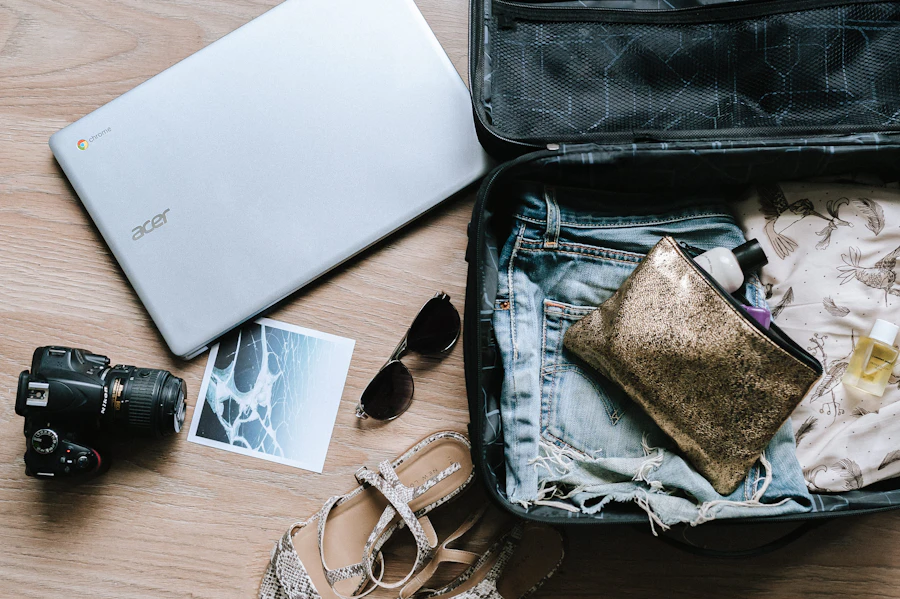
Собирайте средства гигиены в ёмкостях дорожного формата в прозрачном пакете на молнии — в соответствии с правилами авиакомпаний для провоза жидкостей в ручной клади. В Европе превосходные аптеки практически в каждом городе, поэтому базовые средства гигиены можно приобрести на месте. Сосредоточьтесь на том, что специфично для ваших потребностей или сложно найти в европейских версиях.
Необходимые для здоровья вещи: все рецептурные лекарства с копиями рецептов, базовая аптечка с пластырями, антисептическими салфетками и обезболивающими. Средства от укачивания пригодятся для извилистых автобусных поездок по горным дорогам. Если вы принимаете рецептурные лекарства, перевозите их в оригинальных упаковках с маркировкой и справкой от врача с описанием препаратов на случай вопросов на таможне.
Солнцезащитный крем необходим круглый год при активном осмотре достопримечательностей, так как УФ-излучение накапливается за долгие прогулочные дни. Средство от насекомых полезно в летние месяцы, особенно на юге Европы вблизи воды. Маленький набор для шитья с булавками выручит при экстренном ремонте одежды, а карандаш-пятновыводитель защитит ваш ограниченный гардероб от кулинарных происшествий.
Стратегия «только ручная кладь»
Путешествие с одной только ручной кладью — высшее достижение в искусстве сборов, и оно гораздо достижимее, чем думает большинство. Преимущества огромны: никакой доплаты за багаж на бюджетных европейских рейсах, никакого ожидания у багажной ленты, никакого риска потери чемодана и лёгкие переходы между поездами, автобусами и паромами.
Техники упаковки
Скатывание одежды вместо складывания уменьшает количество складок и экономит место. Упаковочные кубики организуют сумку по секциям и сжимают одежду для максимального использования объёма. Заполняйте обувь носками и мелкими предметами, чтобы использовать каждый кубический сантиметр пространства. В день переезда надевайте на себя самые объёмные вещи, а не складывайте их в сумку.
Стратегия стирки
Путешествие с ручной кладью подразумевает стирку в поездке. Быстросохнущие ткани можно постирать в раковине и повесить сушиться на ночь. Возьмите несколько метров паракорда, чтобы натянуть бельевую верёвку в ванной отеля. Небольшой пакетик концентрированного стирального средства справится со стиркой в раковине. Во многих европейских городах также есть доступные прачечные самообслуживания, где можно постирать и высушить полную загрузку примерно за два часа.
Что оставить дома
Сопротивляйтесь желанию собрать вещи на маловероятные случаи. Вам не нужна отдельная пара обуви на каждый день, особый наряд для каждого ужина или специальная одежда для одного-единственного занятия. Если вам понадобится что-то специфическое на один день — например, вечерний наряд для особого события — часто проще купить или арендовать его на месте. Отказ от необязательных вещей создаёт место для сувениров и уменьшает физическую нагрузку в путешествии.
Особые случаи
Сборы для студентов
Студентам, отправляющимся на длительную учёбу в Европу, нужен иной подход, чем туристам на короткую поездку. Ставьте на прочные, универсальные базовые вещи, которые выдержат месяцы носки и стирки. В приоритете — качественный рюкзак для ежедневных занятий, хороший ноутбук с зарядкой и адаптируемая одежда, подходящая и для учёбы, и для поездок на выходные. Объёмные предметы вроде учебников лучше отправить почтой или купить на месте.
Сборы для семей
Путешествие с детьми по Европе требует дополнительных вещей, но не обязательно означает удвоение багажа. Детская одежда маленькая и лёгкая — сосредоточьтесь на легко стираемых, устойчивых к загрязнениям вещах. Возьмите компактную коляску, складывающуюся до размера, помещающегося в верхнюю полку самолёта. Для дней в дороге возьмите развлечения: планшет с мультфильмами, раскраски и небольшие игрушки. Аптечка становится более важной с детьми, так как мелкие ссадины и капризы случаются чаще.
Сборы для деловых поездок
Деловые поездки в Европу требуют более аккуратного гардероба при сохранении компактности. Возьмите немнущиеся рубашки или блузки, универсальную деловую обувь, подходящую и для встреч, и для ужинов, и блейзер, сочетающийся с несколькими комплектами. Техника упаковки в папку для одежды сохраняет нарядные вещи без складок при переезде. Многие бизнес-залы аэропортов предлагают возможность глажки перед встречами.
Итоговый чек-лист для сборов
Используйте этот исчерпывающий чек-лист для финальной проверки перед застёгиванием молнии. Не каждый пункт подходит для каждой поездки — корректируйте с учётом сезона, направления и стиля путешествия. Цель — не собрать абсолютно всё из списка, а осознанно рассмотреть каждую категорию и принять обоснованные решения о том, что вам действительно нужно.
Начинайте сборы минимум за три дня до отъезда. Этот запас времени позволит постирать нужные вещи, купить недостающее и пересмотреть свою укладку, заново оценив, что действительно необходимо. После первоначальной сборки уберите хотя бы три вещи, в которых вы сомневаетесь. Если вы не потянулись к ним во время упаковки, вы, скорее всего, не потянетесь к ним и в поездке.
Опытные путешественники по Европе единодушно говорят одно и то же: они жалеют, что взяли слишком много в свою первую поездку. Доверьтесь процессу, пакуйте мало и наслаждайтесь свободой, которую даёт путешествие без лишнего груза. Ваше европейское приключение — это впечатления, а не содержимое чемодана.
Теперь, когда чемодан собран, позаботьтесь о защите поездки с помощью надёжной туристической страховки и изучите наш гид по безопасности в Европе для спокойствия в пути.