
Учёба за рубежом в Европе — одно из самых важных решений, которые вы можете принять для своего академического и личностного роста. Более 4 000 университетов в 44 странах предлагают широчайший выбор программ, культур и возможностей. Однако разобраться в процессе поступления в разных странах и учебных заведениях может быть непросто. Это исчерпывающее руководство подробно описывает каждый этап пути — от первоначального исследования до обустройства в новом европейском доме. Независимо от того, планируете ли вы полноценную степень или семестр по обмену, эта информация поможет вам грамотно спланировать процесс и избежать типичных ошибок.
Система высшего образования в Европе за последние годы существенно изменилась. Болонский процесс унифицировал структуру степеней на большей части континента, что упростило сравнение программ и перезачёт кредитов. Одновременно всё больше университетов предлагают программы полностью на английском языке, открывая возможности для студентов, которые не владеют местным языком. Стоимость обучения варьируется от полностью бесплатного в таких странах, как Германия и Норвегия, до умеренного в Нидерландах и высокого в Великобритании — вариант найдётся для любого бюджета.
Шаг 1: Выбор страны и университета
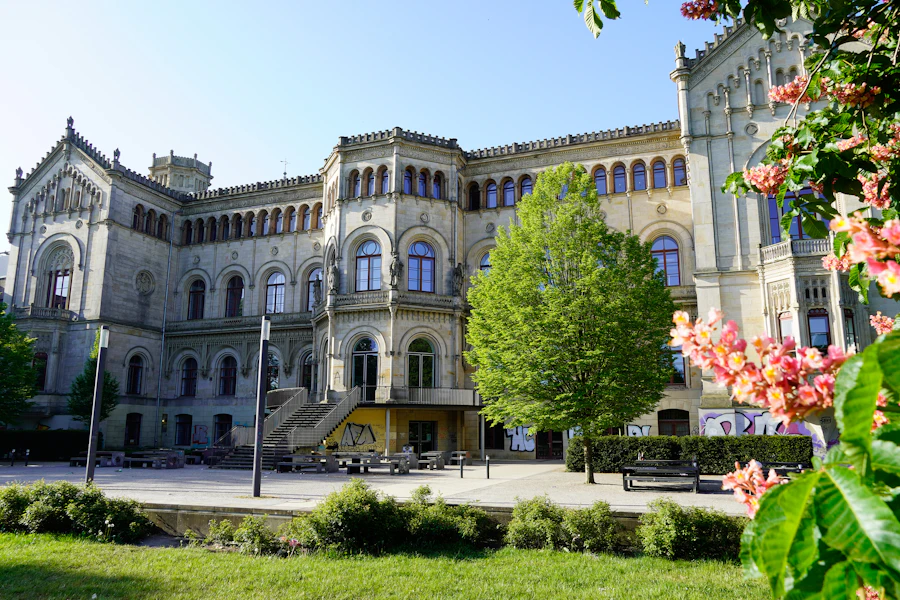
Первый и, пожалуй, самый важный шаг — решить, где именно вы хотите учиться. Европа — не единое целое: у каждой страны своя система образования, культура, стоимость жизни и языковые требования. Выбор страны определит весь ваш опыт, поэтому к нему стоит подойти тщательно.
Факторы при выборе страны
Для начала определите, что для вас важнее всего. Хотите минимизировать расходы? Тогда доступные страны — Германия, Польша или Чехия — должны быть в начале вашего списка. Важны престиж и международное признание? Великобритания и Нидерланды входят в число стран с лучшими университетами мира. Хотите выучить новый язык через погружение в среду? Франция, Испания и Италия предлагают богатую культурную и языковую атмосферу.
- Стоимость обучения: в Германии и Норвегии государственные университеты не взимают плату за обучение. В Нидерландах — около 2 500 евро в год для студентов из ЕС. В Великобритании — 9 250 фунтов для местных студентов и до 38 000 фунтов для иностранных.
- Стоимость жизни: ежемесячные расходы варьируются от 500–700 евро в Восточной Европе до 1 200–1 800 евро в Скандинавии, Лондоне или Цюрихе.
- Язык обучения: больше всего англоязычных программ — в Нидерландах, Швеции, Дании и Финляндии. Франция, Германия и Испания постепенно расширяют число программ на английском, но большинство по-прежнему ведётся на местных языках.
- Возможности трудоустройства после окончания: Германия предоставляет 18-месячную рабочую визу для выпускников. Нидерланды — 12-месячный ориентационный год. Великобритания — 2-летнюю визу для выпускников (Graduate Route).
- Качество жизни: учитывайте климат, безопасность, общественный транспорт, доступ к медицине и социальную культуру. Скандинавские страны неизменно лидируют по качеству жизни, но отличаются более высокими расходами.
Поиск университетов и программ
Сузив список целевых стран, начинайте изучать конкретные университеты и программы. Используйте официальные базы данных и рейтинговые системы для составления шортлиста. Рейтинги QS World University Rankings, Times Higher Education Rankings и Academic Ranking of World Universities (Шанхайский рейтинг) — три наиболее авторитетные международные системы. Однако помните, что рейтинги измеряют исследовательскую активность больше, чем качество преподавания, поэтому не ограничивайтесь только цифрами.
Для поиска программ незаменимы следующие платформы:
- StudyPortals (Mastersportal.com / Bachelorsportal.com): крупнейшая база международных программ в Европе с фильтрами по языку, стоимости и стране.
- DAAD (daad.de): Германская служба академических обменов ведёт исчерпывающую базу программ в Германии.
- Study in Holland (studyinholland.nl): официальный портал программ в Нидерландах.
- UCAS (ucas.com): централизованная система подачи заявок на бакалавриат в Великобритании.
- Campus France (campusfrance.org): официальный ресурс для учёбы во Франции.
Составьте таблицу, в которой будете отслеживать стоимость обучения, требования к поступлению, сроки подачи документов, языковые требования и прочие критерии по каждой программе. Большинство студентов подают документы в три–шесть программ, чтобы повысить шансы на поступление.

Шаг 2: Понимание сроков подачи заявок
Европейские университеты, как правило, предлагают два основных периода поступления, хотя сроки различаются в зависимости от страны и учебного заведения. Тщательное планирование крайне важно, поскольку пропущенный дедлайн обычно означает ожидание целого года для повторной подачи.
Ключевые сроки для осеннего набора 2026 года
Большинство европейских программ начинается в сентябре или октябре. Для осени 2026 года ваш план должен выглядеть примерно следующим образом:
- Сентябрь–ноябрь 2025: исследование стран, университетов и программ. Начало подготовки к стандартизированным тестам при необходимости (GRE, GMAT).
- Ноябрь–декабрь 2025: сдача языковых экзаменов (IELTS, TOEFL или местные тесты). Запрос академических справок и рекомендательных писем.
- Январь–март 2026: подача заявок. Большинство европейских университетов устанавливают дедлайны для иностранных студентов в период с 15 января по 1 апреля. Некоторые конкурентные программы закрываются ещё в декабре.
- Март–май 2026: получение решений о зачислении. Сравнение предложений и принятие решения. Подача заявок на стипендии, если ещё не сделано.
- Май–июль 2026: подача заявки на студенческую визу (для граждан не из ЕС). Поиск жилья. Подготовка финансовых документов.
- Август–сентябрь 2026: переезд в страну обучения. Участие в ориентации. Регистрация в университете и местных органах власти.
Великобритания работает по более раннему графику, чем континентальная Европа. Заявки на бакалавриат через UCAS принимаются до 31 января, а в Оксфорд и Кембридж — до 15 октября предшествующего года. Многие магистерские программы UK используют скользящий приём, но популярные направления быстро заполняются, поэтому подавать документы желательно в декабре–январе.
Варианты весеннего набора
В некоторых странах предусмотрен дополнительный набор в январе–феврале. Германия, Нидерланды и Швеция всё активнее предлагают программы с весенним стартом. Это хороший вариант, если вы пропустили осенний дедлайн или вам нужно больше времени на подготовку. Однако выбор программ, как правило, меньше, а ряд студенческих сервисов ориентирован на осенний поток.
Шаг 3: Подготовка документов для поступления
Заявки в европейские университеты, как правило, стандартизированы и требуют большого пакета документов. Несмотря на различия в требованиях, большинство учебных заведений запрашивают следующие основные материалы.
Академические справки и дипломы
Вам потребуются официальные академические справки из всех предыдущих учебных заведений, переведённые на английский (или местный) язык сертифицированным переводчиком. Для поступающих на бакалавриат — аттестат о среднем образовании с оценками. Для поступающих в магистратуру — диплом бакалавра и полная академическая справка. В ряде стран требуется оценка эквивалентности ваших документов через специализированные организации — NUFFIC (Нидерланды), anabin (Германия) или UK ENIC.
Мотивационное письмо
Практически каждая европейская программа требует мотивационного письма объёмом, как правило, 500–1 000 слов. Это ваш шанс объяснить, почему вы хотите учиться именно на этой программе в этом университете, какой релевантный опыт вы привносите и каковы ваши академические и карьерные цели. Пишите отдельное письмо для каждой программы — не используйте универсальный шаблон. Ссылайтесь на конкретные курсы, преподавателей или исследовательские группы, которые привлекли вас в данной программе.
Рекомендательные письма
Большинство магистерских программ требует одно–три рекомендательных письма от научных руководителей или профессиональных наставников, способных охарактеризовать ваши способности и потенциал. Свяжитесь с рекомендателями не менее чем за шесть недель до дедлайна. Предоставьте им своё резюме, мотивационное письмо и описание программы, чтобы они могли написать конкретные и информативные рекомендации.
Резюме (CV)
Европейские академические резюме отличаются от американских. Используйте формат Europass CV, широко признанный по всей Европе. Включите образование, релевантный опыт работы, языковые навыки, публикации (при наличии) и внеучебную деятельность. Максимальный объём — две страницы.
Дополнительные требования
- Портфолио: требуется для творческих специальностей (архитектура, дизайн, изобразительное искусство).
- GRE/GMAT: часть программ по бизнесу и экономике требует эти тесты, хотя в Европе они менее распространены, чем в США.
- Исследовательское предложение: требуется для поступления в аспирантуру и некоторые исследовательские магистерские программы.
- Копия паспорта: для верификации личности и оформления визы.
- Подтверждение финансовых средств: многие страны требуют доказательства того, что вы можете самостоятельно финансировать обучение — как правило, это заблокированный банковский счёт или письмо о стипендии.

Шаг 4: Языковые требования
Владение языком — один из важнейших, и нередко недооцениваемых, аспектов обучения в Европе. Даже если ваша программа ведётся на английском языке, знание местного языка существенно улучшит вашу повседневную жизнь, социальные контакты и карьерные перспективы.
Требования к английскому языку
Для англоязычных программ университеты обычно принимают один из следующих стандартизированных тестов:
| Тест | Минимальный балл | Срок действия | Стоимость (прибл.) |
|---|---|---|---|
| IELTS Academic | 6.0–7.0 общий | 2 года | 200–260 USD |
| TOEFL iBT | 80–100 | 2 года | 200–310 USD |
| Cambridge C1 Advanced | 176–185 | Бессрочно | 200–250 USD |
| Duolingo English Test | 105–120 | 2 года | 59 USD |
Некоторые университеты принимают Duolingo English Test в качестве альтернативы IELTS или TOEFL, но это не повсеместная практика. Всегда проверяйте конкретные требования вашего целевого университета. Носители английского языка из США, Великобритании, Канады, Австралии, Новой Зеландии и Ирландии, как правило, освобождены от языковых тестов, хотя ряд университетов всё же может их требовать.
Требования к местному языку
Если программа ведётся на местном языке, вам потребуется подтвердить уровень B2 или C1 по Общеевропейской системе (CEFR). Для программ на немецком языке стандартными экзаменами являются TestDaF или DSH. Для французского — DELF/DALF. Испанские программы обычно принимают сертификат DELE. Начинать языковую подготовку рекомендуется за 12–18 месяцев до планируемого начала обучения.
Шаг 5: Поиск жилья
Жильё — один из самых стрессовых аспектов учёбы за рубежом, особенно в популярных городах, где спрос значительно превышает предложение. Начинайте поиск как можно раньше — в идеале сразу после получения письма о зачислении.
Виды студенческого жилья
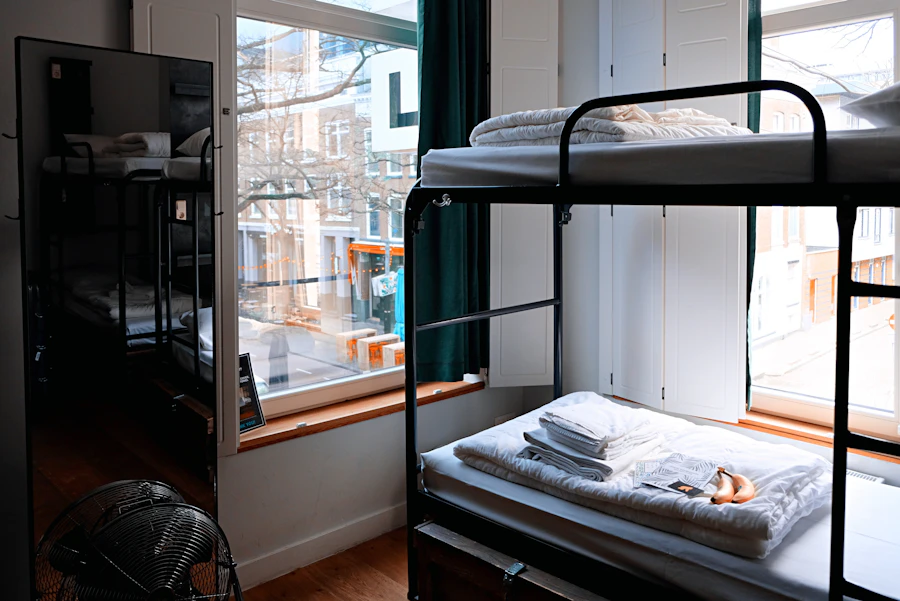
- Студенческие общежития (Studentenwohnheim, cité universitaire, studentencomplex): наиболее доступный вариант — как правило, 200–500 евро в месяц. Подавайте заявку через университет или местную организацию по студенческому жилью (Studentenwerk в Германии, CROUS во Франции). Очереди бывают длинными, поэтому подавайте сразу после зачисления.
- Совместные квартиры (WG в Германии, colocation во Франции): аренда комнаты в квартире с соседями — самый распространённый вариант для студентов. Ожидайте 300–800 евро в месяц в зависимости от города. Популярные платформы: WG-Gesucht.de, Kamernet.nl, Idealista.com.
- Отдельные студии: дороже — 500–1 500 евро в месяц, но предлагают приватность и независимость. Доступность сильно варьируется в зависимости от города.
- Проживание в семье (homestay): жизнь с местной семьёй обеспечивает погружение в культуру и нередко включает питание. Этот вариант реже выбирают студенты, но его можно организовать через такие платформы, как Homestay.com.
В Амстердаме, Мюнхене, Лондоне, Париже и Барселоне рынок аренды чрезвычайно конкурентный. Мошенничество в отношении иностранных студентов, к сожалению, не редкость. Никогда не переводите деньги, не осмотрев жильё и не подписав договор. По возможности пользуйтесь жилищными платформами, рекомендованными университетом. Многие университеты предлагают временное жильё или гарантированное заселение для иностранных первокурсников.
Шаг 6: Финансирование учёбы
Финансирование образования за рубежом требует тщательного планирования. Хорошая новость: Европа предлагает значительно более доступные варианты, чем многие другие регионы, и существуют многочисленные источники финансирования для иностранных студентов.
Обзор стоимости обучения
Ежегодная плата за обучение для иностранных студентов варьируется в Европе весьма существенно. С одной стороны, немецкие государственные университеты не взимают плату за обучение — только семестровый взнос 150–350 евро. С другой стороны, ведущие британские университеты могут брать 20 000–40 000 фунтов в год с иностранных студентов. Большинство континентальных европейских стран находятся посередине — плата в государственных университетах составляет от 1 000 до 5 000 евро в год.
Стипендиальные возможности
Для иностранных студентов в Европе доступны тысячи стипендий. Вот некоторые из наиболее значимых:
- Совместные магистерские программы Erasmus Mundus: полные стипендии, покрывающие обучение, проезд и проживание для двухлетних магистерских программ в нескольких европейских университетах.
- Стипендии DAAD (Германия): Германская служба академических обменов предлагает многочисленные стипендии для иностранных студентов всех уровней.
- Стипендии Chevening (Великобритания): полностью финансируемые магистерские стипендии для выдающихся молодых лидеров.
- Голландские стипендии (Нидерланды): гранты в размере 5 000 евро для студентов из стран за пределами ЕС.
- Стипендии Шведского института: полное покрытие для магистрантов из ряда стран, обучающихся в Швеции.
- Университетские стипендии: многие учебные заведения предлагают собственные стипендии по успеваемости или по финансовой нуждаемости. Проверяйте страницы финансовой поддержки вашего целевого университета.
Возможности частичной занятости
В большинстве европейских стран иностранные студенты имеют право работать неполный рабочий день. В Германии студенты из стран за пределами ЕС могут работать 120 полных или 240 половинных дней в год. В Нидерландах — до 16 часов в неделю. Во Франции — до 964 часов в год. В Великобритании — 20 часов в неделю в учебное время. Распространённые варианты — работа на кампусе, репетиторство и позиции в сфере гостеприимства.
Финансовое планирование
Составьте подробный бюджет ещё до приезда. Помимо стоимости обучения, учтите аренду жилья, медицинскую страховку (обязательна в большинстве европейских стран), питание, транспорт, учебники и расходные материалы, телефон и интернет, а также личные расходы. Многие страны требуют подтверждения финансовых средств для оформления студенческой визы — как правило, от 8 000 до 12 000 евро в год. Открытие местного банковского счёта по приезде позволит сэкономить на транзакциях и значительно упростит повседневную жизнь.
Шаг 7: Виза и миграционные требования
Граждане стран ЕС/ЕЭЗ имеют право учиться в любом другом государстве — члене ЕС без визы. Студентам из стран за пределами ЕС требуется студенческая виза или вид на жительство. Процедура варьируется в зависимости от страны, но в целом включает следующие шаги:
- Получите официальное письмо о зачислении от университета.
- Соберите необходимые документы: паспорт, письмо о зачислении, подтверждение финансовых средств, медицинская страховка, подтверждение жилья и фотографии.
- Запишитесь на приём в посольство или консульство страны назначения. Ожидание может занять 4–8 недель, поэтому планируйте заранее.
- Пройдите визовое собеседование (требуется не во всех странах).
- Получите визу и отправляйтесь в страну обучения.
- Зарегистрируйтесь в местных органах власти и, при необходимости, переоформите визу в вид на жительство.
Сроки рассмотрения составляют от 2 до 12 недель в зависимости от страны и вашего гражданства. Подробное сравнение визовых требований — в нашем руководстве по студенческим визам Великобритании, Франции и Нидерландов.
Шаг 8: Подготовка к приезду и обустройство
Недели перед отъездом насыщены практическими делами. Составьте чеклист, чтобы ничего не упустить.
До отъезда
- Купите билет на самолёт и организуйте трансфер из аэропорта до жилья.
- Оформите международную медицинскую страховку, если она не предусмотрена студенческой схемой страхования вашей страны назначения.
- Сообщите в банк о предстоящей поездке и изучите варианты международного банкинга.
- Сделайте нотариально заверенные копии всех важных документов: паспорта, визы, письма о зачислении, страховки и академических справок.
- Упаковывайтесь продуманно. Европейские квартиры нередко сдаются с мебелью, поэтому в приоритете — документы, электроника и предметы первой необходимости, а не предметы быта.
- Установите нужные приложения: Google Translate, местные приложения транспорта, платформы для аренды жилья и студенческое приложение университета.
Первая неделя
Первая неделя закладывает фундамент всего вашего опыта. Посещайте все ориентационные мероприятия университета, даже если они кажутся необязательными. Именно там вы познакомитесь с другими иностранными студентами, узнаете о ресурсах кампуса и получите важную информацию об академических требованиях. Встаньте на регистрационный учёт в местных органах власти (Anmeldung в Германии, inschrijving в Нидерландах) — это требование закона в большинстве европейских стран. Откройте местный банковский счёт, приобретите местный номер телефона и купите проездной на общественный транспорт.
Создание сети поддержки
В первое время учёба за рубежом может быть одинокой, а культурный шок затрагивает почти всех. Вступайте в студенческие организации, посещайте социальные мероприятия, прикладывайте усилия для общения как с иностранными, так и с местными студентами. В большинстве университетов есть отдел по работе с иностранными студентами, организующий программы наставничества, языковые тандемы и культурные мероприятия. Пользуйтесь этими ресурсами — они созданы специально для того, чтобы помочь вам адаптироваться.

Типичные ошибки, которых стоит избегать
Из опыта можно выделить типичные ошибки, которые повторяют студенты. Вот наиболее распространённые и способы их избежать:
- Подача документов только в один университет: всегда подавайте заявки как минимум в три программы — чтобы иметь запасные варианты. Конкуренция высока, и поступление никогда не гарантировано.
- Недооценка стоимости жизни: стоимость обучения — лишь часть расходов. Тщательно планируйте бюджет на аренду, питание, страховку и транспорт — они нередко превышают плату за обучение.
- Пропуск дедлайнов: европейские университеты строго соблюдают сроки. Устанавливайте напоминания в календаре минимум за две недели до каждого дедлайна.
- Игнорирование языка: даже если ваша программа на английском, знание местного языка кардинально изменит ваш опыт. Начинайте учить язык ещё до приезда.
- Незаверенные документы: в некоторых странах требуются апостилированные или нотариально заверенные документы. Уточните требования страны назначения заранее — эта процедура может занять несколько недель.
- Игнорирование культурных различий: академическая культура в Европе может отличаться от привычной вам. Другие требования к посещаемости, системы оценивания, стиль общения с преподавателями. Подходите к этим различиям с любопытством, а не с раздражением.
Заключение
Процесс поступления для учёбы за рубежом в Европе детален и требует постоянных усилий на протяжении многих месяцев. Но награда — получение степени в атмосфере новой культуры, приобретение международного кругозора и создание сети контактов по всему миру — стоит каждого часа подготовки. Начинайте заблаговременно, сохраняйте организованность и не стесняйтесь обращаться в приёмные комиссии университетов с вопросами. Большинство международных офисов искренне помогают студентам пройти этот путь.
Европейские университеты принимают студентов со всего мира на протяжении столетий. Следуя шагам этого руководства, вы вступаете в эту давнюю традицию и делаете значимый шаг к более широкому и богатому пониманию мира. Изучите наши другие руководства: о доступных для учёбы странах, о магистерских программах на английском языке и о повседневной жизни иностранного студента — чтобы продолжить планирование своего пути.